Address
30 N Gould St.
Suite R, Sheridan, WY 82801, USA

Why Am I Not Losing Weight on Semaglutide or Tirzepatide? Common Causes and Next Steps

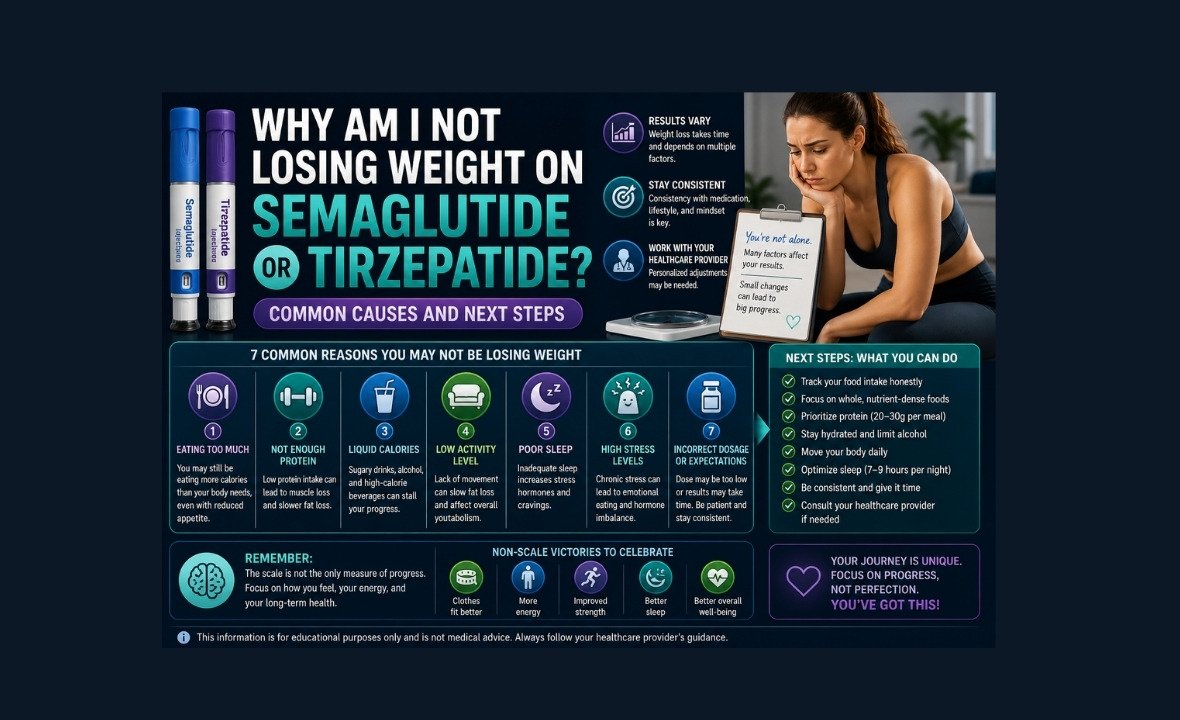
If your weight has stalled on semaglutide or tirzepatide, that does not always mean the drugs are failing — many people hit a plateau because of dose timing, biology, other medications, calorie intake, or habits that quietly shift. The fastest way to know why your scale stopped moving is to review your dose and timing, check for medical causes, and compare your current food and activity to when you first started the drug.
You may also be facing normal variability: some people lose quickly, some slowly, and about 9–13% show little early response. Small changes in appetite, water weight, or muscle mass can hide real fat loss, while untreated medical issues or other drugs can blunt results. Keep tracking, talk with your prescriber, and be ready to adjust both medication and lifestyle.
Key Takeways
- Check dose, timing, and other medicines first.
- Look for medical or hormonal causes that can block weight loss.
- Track habits and consult your prescriber to adjust treatment and lifestyle.
Understanding GLP-1 Medications
These drugs change hunger, fullness, and digestion to help lower calorie intake and improve blood sugar control. They differ in strength, how they act, and how your provider will dose them.
How Semaglutide and Tirzepatide Work
Semaglutide and tirzepatide act on gut-brain signals that control appetite. They slow stomach emptying so food stays in your stomach longer. That reduces hunger and can make portion sizes feel more satisfying.
Both drugs also change how your brain senses reward from food. That often lowers cravings for high-calorie foods. They help with blood sugar by increasing insulin release when glucose is high and by lowering glucagon, a hormone that raises blood sugar.
Common side effects include nausea, constipation, and diarrhea. These often improve with time or dose changes. If side effects limit eating, they can slow or stop weight loss.
Differences Between Semaglutide and Tirzepatide
Semaglutide is a GLP-1 receptor agonist. Tirzepatide acts on two hormones: GLP-1 and GIP. The dual action of tirzepatide can produce larger average weight losses in clinical trials.
Dosing frequency is similar (usually once weekly injections), but effective doses and titration schedules vary. Tirzepatide may cause stronger appetite suppression and more gastrointestinal side effects for some people. Your prior response to GLP-1s, medical history, and tolerance to side effects guide which drug your clinician recommends.
Cost, insurance coverage, and brand availability also differ. These practical factors often affect which drug you actually receive and whether you can continue it long term.
Prescription Guidelines and Dosage Considerations
Providers start both drugs at low doses and increase slowly to reduce side effects. Typical approach: start weekly, monitor symptoms, then step up every 4 weeks or as tolerated. Never adjust dose on your own without talking to your prescriber.
Important checks before and during treatment: pregnancy status, pancreatitis history, thyroid cancer risk, kidney function, and current medications. Inform your provider about other drugs that affect blood sugar or gastric emptying.
If weight loss stalls, clinicians review dose, adherence, lifestyle, and medical causes. Options include optimizing dose, switching drugs, or adding behavioral support. Regular follow-up and clear weight-loss goals help manage expectations and safety.
Factors Affecting Weight Loss While on Medication
These medicines change appetite and blood sugar, but many other things shape results. Dose, daily food choices, movement, and how your body stores energy all affect whether the scale moves.
Dietary Habits and Caloric Intake
What you eat still matters. If you eat more calories than you burn, you won’t lose weight even with semaglutide or tirzepatide. Track portions for a week to see where extra calories come from — drinks, snacks, and “small” additions add up fast.
Quality matters too. Protein and fiber help you feel full longer; they support muscle and steady blood sugar. Highly processed foods and sugary drinks can blunt appetite control and lead to hidden calories.
Practical steps: measure portions, use a food log or app, and plan meals with lean protein, vegetables, and whole grains. Small consistent changes beat dramatic short-term diets.
Physical Activity Levels
Exercise boosts calorie burn and preserves muscle, which keeps metabolism higher. Cardio raises daily energy use. Strength training helps prevent muscle loss during weight loss, which makes future progress easier.
You don’t need hours in the gym. Aim for 150 minutes of moderate activity per week and two sessions of resistance work. If you sit most of the day, add short walks or standing breaks to increase total movement.
Track steps or workouts and raise them slowly. If weight stalls, increasing strength work or activity intensity often restarts fat loss.
Medication Adherence and Missed Doses
Consistent dosing matters. Missing doses or changing the schedule can reduce effectiveness. Semaglutide and tirzepatide rely on steady blood levels to control appetite and cravings.
If you skip doses, appetite can return and weight can plateau or rebound. Also confirm you reached the therapeutic dose your provider prescribed; many people need dose escalation to see strong effects.
If you miss a dose, follow your prescriber’s instructions. Keep a marked calendar or phone reminders and store medication per guidance to avoid potency loss.
Individual Metabolic Differences
Your body’s set point, genetics, and hormone levels affect how you respond. People with slower baseline metabolic rates or prior weight-loss history may lose more slowly. Conditions like hypothyroidism, low testosterone, or certain medications can blunt results.
Age and sex matter too. Older adults often lose muscle faster, which reduces calorie needs. Women may face different hormonal patterns that affect appetite and fat storage.
Get basic labs checked if progress is unusually slow. Work with your clinician to rule out medical causes and tailor the plan — adjusting dose, treating hormonal issues, or adding targeted nutrition and exercise strategies.
Medical and Biological Influences
Medical and biological factors can change how well semaglutide or tirzepatide work for you. Conditions that affect hormones, inflammation, or metabolism often blunt weight loss and may need targeted treatment.
Underlying Health Conditions
Certain medical problems can slow or stop weight loss even with these drugs. Conditions like untreated sleep apnea, chronic inflammation, or autoimmune diseases raise stress hormones and can increase appetite or fat storage. If you have bariatric surgery history, altered gut anatomy may change drug absorption and effects.
Medications also matter. Steroids, some antidepressants, antipsychotics, and insulin can counteract weight loss. Review your prescription list with your clinician to spot drugs that might blunt results.
Get tests when weight stalls: basic labs, inflammatory markers, and a sleep study if you snore or feel tired. Treating these issues often improves response to semaglutide or tirzepatide.
Hormonal Imbalances and Thyroid Function
Thyroid hormones strongly affect metabolism. If your TSH, free T4, or free T3 tests show hypothyroidism, your basal metabolic rate can fall and make weight loss harder. Even mild hypothyroidism can blunt calorie burn and energy.
Sex hormones matter too. Low testosterone in men or polycystic ovary syndrome (PCOS) in women raises insulin levels and fat retention. Cortisol from chronic stress or Cushing’s syndrome promotes abdominal fat and increases appetite.
Ask your provider for targeted hormone tests if you have fatigue, hair loss, irregular periods, low libido, or central weight gain. Correcting thyroid or sex-hormone problems often helps weight drugs work better.
Insulin Resistance
Insulin resistance reduces how your body handles glucose and raises circulating insulin. High insulin blocks fat breakdown and favors storage, which can limit weight loss on GLP-1 or GIP/GLP-1 drugs.
Signs include high fasting insulin, elevated fasting glucose, or an A1c in the prediabetes range. Waist circumference, acanthosis nigricans, and a family history of diabetes are clinical clues.
You can address insulin resistance through targeted steps: improve carbohydrate quality and timing, build muscle with resistance training, and aim for consistent daily activity. Your clinician may adjust diabetes medications or add metformin to improve insulin sensitivity and help these weight-loss drugs work better.
Lifestyle and Behavioral Considerations
Stress, emotions, and poor sleep can blunt medication effects by changing your appetite, food choices, and energy. Small changes in how you cope and rest often make a clear difference in how well semaglutide or tirzepatide works.
Stress and Emotional Eating
Stress raises cortisol, which can increase hunger for high-calorie foods and make you store more fat. If you find yourself reaching for sweets or carbs when tense, track those moments for a week. Note time, trigger, and what you ate to spot patterns.
Use specific coping tools instead of food:
- Pause 5 minutes and practice deep breaths (box breathing: 4–4–4–4).
- Walk for 10 minutes or do a short bodyweight routine.
- Keep low-cal snacks ready (Greek yogurt, nuts, cut veggies) to avoid impulsive choices.
If emotional eating is frequent, consider brief therapy or a registered dietitian who uses behavioral strategies. You can also set an “if-then” plan: if you feel stressed, then call a friend or do a 10-minute guided breathing exercise.
Sleep Quality and Duration
Poor sleep raises hunger hormones (ghrelin) and lowers fullness hormones (leptin), making it harder to stick to a calorie plan. Aim for 7–9 hours nightly and keep a consistent wake time, even on weekends.
Improve sleep with clear habits:
- Stop screens 60 minutes before bed; use an alarm for wind-down time.
- Make the bedroom cool, dark, and quiet. Consider blackout curtains and ear plugs.
- Avoid caffeine after 2 PM and heavy meals within 2–3 hours of bedtime.
If you snore, wake gasping, or feel very tired daytime despite enough hours, get evaluated for sleep apnea. Treating sleep disorders often helps appetite control and supports weight loss on medication.
Potential Side Effects and Plateaus
Semaglutide and tirzepatide commonly cause stomach and digestion changes, low blood sugar if you take insulin or sulfonylureas, and early strong appetite changes that may later ease. Plateaus often reflect dose, habits, or medical issues and can be addressed with specific steps.
Common Adverse Reactions
You will likely notice gastrointestinal symptoms first. Expect nausea, vomiting, diarrhea, constipation, and abdominal pain. These often improve over weeks as your body adjusts.
You may feel less hungry and eat smaller portions. That effect slows weight gain but can also cause feeling lightheaded or weak if you reduce calories too fast. If you use insulin or a sulfonylurea, your risk of low blood sugar (hypoglycemia) increases. Check glucose often and talk with your prescriber about dose changes.
Less common but important risks include gallbladder problems, pancreatitis, and injection-site reactions. Report severe belly pain, persistent vomiting, yellowing skin, or rash immediately. Tell your clinician about a personal or family history of medullary thyroid cancer or multiple endocrine neoplasia type 2 before starting these drugs.
Weight Loss Plateaus and How to Respond
A plateau can happen after several months when weight drop slows or stops. First check your dose and adherence. Many people start low and need gradual dose increases for full effect. Missing doses or cutting pills can blunt results.
Review calories and protein intake, strength training, and sleep. Your body may adapt metabolically, so small daily calorie creep or loss of muscle can stall progress. Track food and activity for two weeks to spot hidden calories like drinks, sauces, or snacks.
Assess medicines and health conditions that block weight loss — for example, certain antidepressants, hypothyroidism, or polycystic ovary syndrome. Discuss labs and medication review with your provider. If needed, your clinician can adjust dose, add behavioral support, or consider combining therapies to break the plateau.
Importance of Medical Follow-Up
Regular medical follow-up makes sure your dose, labs, and side effects get checked. It also lets your provider change treatment or investigate medical reasons if weight loss stalls.
Monitoring and Adjusting Treatment
You need scheduled visits to check dose, response, and side effects. Providers often start low and increase dose; you may need a higher or lower maintenance dose based on weight change and tolerance. Expect weight checks, blood pressure, and routine labs like A1c, kidney function, and liver tests at intervals your clinician sets.
Track symptoms such as nausea, constipation, or heartburn and report them. If you gain weight or stop losing, your doctor may adjust dose, switch medications, or add other therapies. Bring a weight log, medication list, and notes on appetite or food intake to each visit.
Communicating With Your Healthcare Provider
Be direct and specific about what you eat, how active you are, and any side effects. Say exactly when weight loss slowed, the magnitude of changes, and any new symptoms like stomach pain or mood shifts.
Ask clear questions: “Can my dose increase?” “Should we check thyroid or cortisol?” “Is there a drug interaction with my other meds?” Request a timeline for expected weight change and what counts as treatment failure. Keep follow-up appointments, and ask for phone or portal access between visits for urgent concerns.
Long-Term Strategies for Success
You will need realistic goals and steady daily habits to keep weight loss going while on semaglutide or tirzepatide. Expect gradual progress, and plan specific behavior changes that you can keep up for months and years.
Setting Realistic Expectations
Set measurable milestones, not vague targets. Aim for 5–10% body weight loss in the first 6 months if you are on an approved dose, then adjust based on your provider’s feedback. Track weight, waist, and how clothes fit rather than only the scale.
Talk with your clinician about timelines and dose checks. If you lose less than 5% after 16 weeks at a therapeutic dose, ask about dose adjustment, alternative medications, or testing for other causes like thyroid issues.
Expect plateaus. Plan for them by scheduling follow-up visits, and avoid sudden diet overcorrections that can harm metabolism. Use objective data—food logs, activity records, and medication adherence—to guide changes.
Building Sustainable Habits
Focus on habits that you can repeat every day. Prioritize protein at each meal, aim for 150 minutes of moderate activity per week, and set a sleep window of 7–9 hours nightly. Small, consistent changes beat extreme short-term fixes.
Use simple tools: a phone app for meal timing, a step goal with a basic pedometer, and a weekly check-in with your provider or coach. Reduce high-calorie liquid intake and replace sugary snacks with whole-food options you enjoy.
Make one change at a time. Master it for 3–4 weeks before adding another. This approach lowers stress, improves adherence, and makes weight loss more likely to stick while you remain on medication.
Conclusion
You may not see steady weight loss on semaglutide or tirzepatide for many reasons. Medication dose, eating habits, sleep, stress, medical conditions, and how long you’ve been on treatment all matter.
Talk with your clinician before changing anything. They can check dosing, rule out medical causes, and suggest tests or referrals. Simple changes to diet, activity, and sleep can help, but some people need extra support.
Keep tracking your patterns. Record meals, activity, sleep, and symptoms for a few weeks. That information helps your care team spot issues and adjust your plan faster.
Expect ups and downs. Early progress varies and plateaus are common. Focus on steady habits and realistic goals instead of quick fixes.
If you feel stuck, ask about additional tools. A dietitian, therapist, or structured program can add strategies you might not have tried. In some cases, medication adjustments or switching treatments may be appropriate.
Key actions to consider now:
- Review dose and timing with your clinician.
- Track food, activity, sleep, and stress for 2–4 weeks.
- Add professional support if needed.
- Be patient and keep consistent habits.
You control many factors that affect results, and your care team can help with the rest.
Frequently Asked Questions
You’ll find clear answers about timing, dosing, diet, medical issues, sleep and stress, and when to see your clinician. Each answer gives practical signs and next steps you can use right away.
How long does it typically take to see noticeable weight loss after starting treatment?
Many people see some weight loss within the first 4 to 12 weeks. Clinical trials often measure a 5% body weight drop by three months for responders, but not everyone responds that quickly.
If you don’t see much change in that window, you may still lose more later. Talk with your clinician if you’ve had little to no weight loss after 12 weeks on a full tolerated dose.
What dosing or titration issues can slow or prevent weight loss progress?
Starting at a low dose and slow titration can delay weight loss because your body needs time to reach an effective dose. Missing doses or stopping medication early also reduces effect.
Some people never reach the target therapeutic dose due to side effects. If side effects stop dose increases, review options with your clinician—changing the schedule, switching drugs, or adding supportive care may help.
How can calorie intake and portion sizes affect results even when appetite is reduced?
Appetite reduction does not automatically mean you eat fewer calories. You can still consume excess calories with large portions, calorie-dense foods, or frequent snacks.
Track portions and total calories for a few weeks to see if intake matches your weight goals. Small changes like cutting liquid calories, lowering added fats, and using smaller plates often produce measurable effects.
Which medications or medical conditions can interfere with weight loss outcomes?
Medications that commonly blunt weight loss include some antidepressants, antipsychotics, insulin, sulfonylureas, and beta blockers. Thyroid disease, Cushing’s syndrome, and untreated hormonal problems can also limit weight loss.
Review all prescriptions and health conditions with your clinician or pharmacist. Adjusting meds or treating underlying conditions may improve your response.
How do sleep, stress, and physical activity levels influence weight loss response?
Poor sleep raises hunger hormones and can slow metabolic rate, making weight loss harder. Chronic stress increases cortisol, which can increase appetite and fat storage.
Low physical activity reduces calorie burn and triggers muscle loss during weight loss. Aim for regular strength and aerobic activity, 7+ hours of good sleep, and stress management to support drug effects.
When should I talk to my clinician about adjusting the dose or changing the treatment plan?
Contact your clinician if you haven’t lost at least 5% of your body weight after about 12 weeks on a therapeutic dose. Also reach out if side effects prevent dose increases or if you have new medical issues or medications.
Ask about dose adjustments, switching from semaglutide to tirzepatide (or vice versa), adding structured nutrition and exercise support, or referring to a specialist. Your clinician can help you decide the safest next step.