At Trust Labs, we believe that ‘one-size-fits-all’ health solutions often fall short. That’s why we specialize in precisely compounded formulas, tailored to address your specific needs and preferences.
WHY TRUST LAB
Innovative Science
Leveraging cutting-edge tools to create, refine, and deliver advanced medical solutions, tailored for each patient.
Inclusive Health Care
We support a wide range of clinic workflows with clear product information, consistent processes, and responsive support—so more practices can confidently access quality-first solutions. Our approach emphasizes transparency, accessibility, and reliable fulfillment without compromising standards.
Precision and Safety
Our advanced labs, meticulous quality control, and unwavering commitment to top industry standards ensure the safety and efficacy of every compounded medication we produce.
Optimizing Health Journeys
Our approach goes beyond medication, it’s meant to empower each patient on his journey to eternal well-being.
Peptides vs. Proteins
Peptide bonds hold the strings of amino acids that make up peptides and proteins together. The main difference is that peptides are shorter strings of amino acids than proteins, although the terms aren’t used precisely. Proteins are defined by most scientists as chains containing more than 100 amino acids.
Additionally, scientists refer to peptides larger than 20 amino acids as polypeptides and oligopeptides for peptides that are between 10 and 20 amino acids long.
Peptides in Food
Peptides are naturally found in many foods, especially foods that are good sources of amino acids, such as:
● Meat ● Fish and shellfish ● Beans and lentils ● Soy ● Oats ● Flaxseed ● Hemp seeds ● Wheat
Peptide therapy
Different peptide forms have an impact on various cell types. The synthesis of these peptides has been refined in recent years to improve their potency, effectiveness, half-life, and bioavailability
Assist in weight loss and metabolizing body Fat Improve metabolic function
Increase sex drive and function in both men and women Increase lean muscle mass Improve skin appearance Reduce wrinkles and fine lines Significantly improve wound healing
Our peptide therapy products Weight management
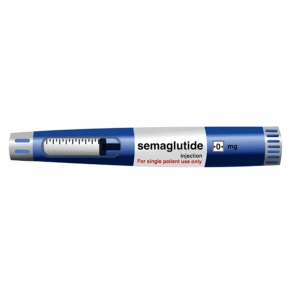
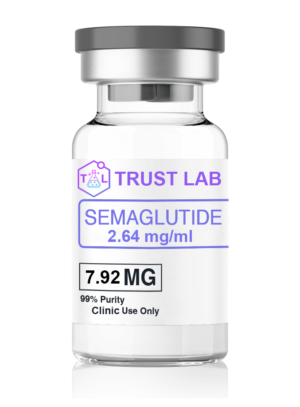
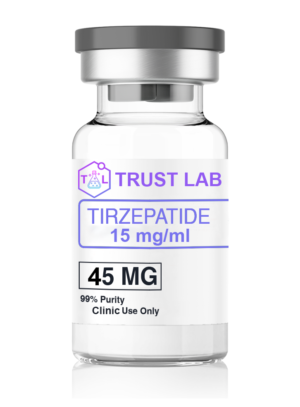
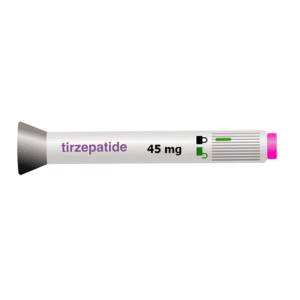
Tirzepatide Semaglutide
Peptides of food & drugs
Many foods contain proteins that break down during digestion into amino acids and smaller fragments, including peptides. These dietary peptides are part of normal nutrition and are commonly associated with protein-rich foods such as meat, fish, beans, lentils, soy, and grains.
In medicine, some therapies are peptide-based (or influenced by peptide biology). These are developed, manufactured, and evaluated under strict standards and are used only under appropriate clinical guidance. When discussing peptide-based medicines, it’s best to focus on generic ingredient names, clear product specifications, and clinician-led decision-making.
Peptides in Food
Peptides are naturally present in everyday nutrition because most protein-containing foods are made of long amino-acid chains. During cooking and digestion, these chains are broken into smaller fragments—including peptides—before the body absorbs and uses them.
Foods that typically contribute protein (and peptide fragments) in the diet include:
Meat and poultry
Fish and shellfish
Eggs and dairy
Beans and lentils
Soy-based foods
Whole grains (such as oats and wheat)
Seeds (flaxseed, hemp, etc.)
Peptide Drugs
Peptides are also used to create drugs to treat a wide variety of disorders and conditions. More than 100 peptide drugs are currently FDA-approved in the U.S. Examples of these drugs include:
● Abarelix (Plenaxis) and Degarelix (Firmagon) for advanced prostate cancer ● Carfilzomib (Kyprolis) for multiple myeloma ● nfuvirtide (Fuzeon) for HIV ● Exenatide (Byetta), Liraglutide (Victoza), Lixisenatide (Adlyxin), Albiglutide (Tanzeum), Dulaglutide (Trulicity), and Semaglutide (Wegovy, Ozempic) for type 2 diabetes
● Linaclotide (Linzess) for irritable bowel syndrome (IBS) with constipation and chronic idiopathic constipationUnlike some cosmetics and supplements, these drugs have been well-researched and are tightly regulated by the FDA. Ask your doctor if you have any questions about taking a peptide drug.