Address
30 N Gould St.
Suite R, Sheridan, WY 82801, USA

Best Time of Day to Take Semaglutide: Optimal Timing, Practical Tips, and Side Effect Management

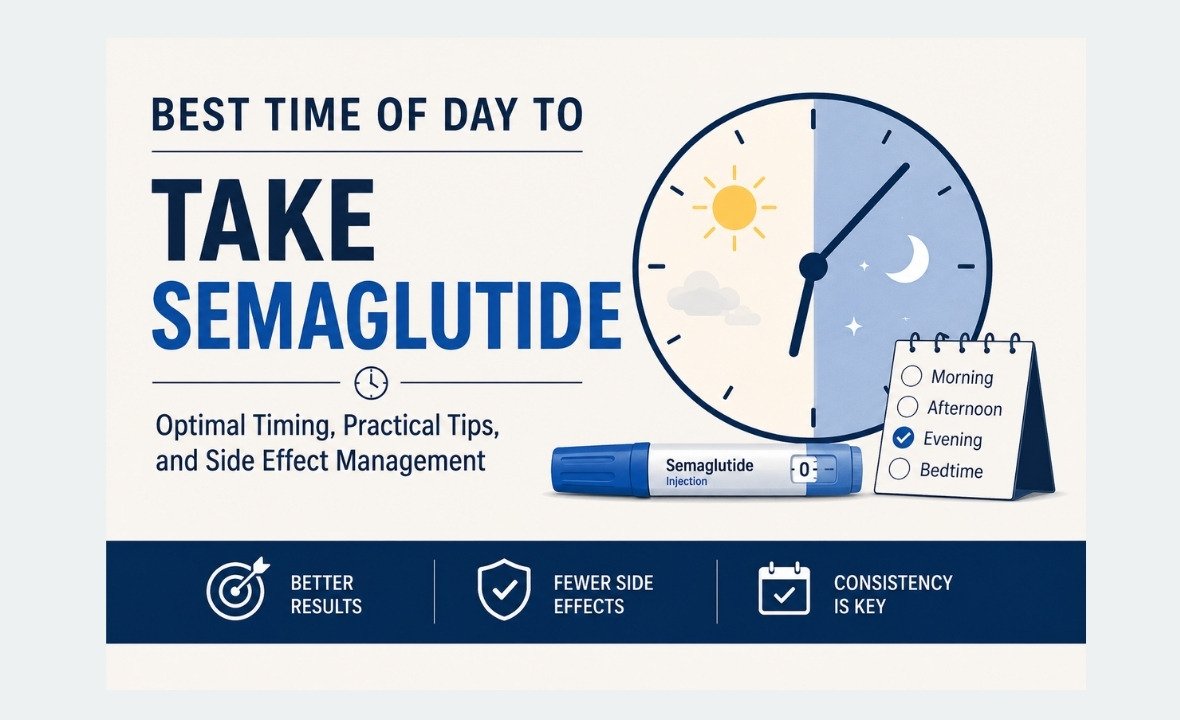
You can take semaglutide at any time of day you’ll actually remember every week, but sticking to a set time that fits your routine helps the medicine work best and lowers the chance you’ll forget a dose. Pick a day and a time you can keep every week—morning, afternoon, or night—because consistency matters more than the exact hour.
If you’re worried about side effects like nausea, try dosing at times that let you manage symptoms. Maybe mornings work if you want to be up and moving, or evenings if you’d rather sleep through mild effects.
Oral semaglutide is a bit different—it needs to be taken in the morning on an empty stomach, so you’ll have to follow those rules. Injectable and oral forms have their own quirks, so double-check with your clinician if you’re ever unsure.
Key Takeaways
- Use a set day and time each week to keep doses consistent.
- Time your dose to reduce side effects and match your daily routine.
- Follow specific rules for oral versus injectable forms and check with your clinician.
Semaglutide Absorption and Biological Considerations
Semaglutide gets into your body differently depending on whether you inject it or take it by mouth. How you take it, what you eat or drink, and your body size all play a role in how much of the drug actually works and how long it lasts.
How Semaglutide Enters the Body
Injecting semaglutide (Ozempic, Wegovy) into the fatty layer under your skin lets the drug slowly move into your bloodstream. That slow release leads to a steady blood level over several days, which is why once-weekly shots work and you don’t get big peaks and valleys.
Oral semaglutide (Rybelsus) has to survive your stomach and get absorbed in the upper intestine. It uses an absorption enhancer, but still, a lot less of the drug actually makes it into your system compared to the injection. That’s why timing and fasting rules are strict for the pills.
Factors That Influence Effectiveness
Your body weight and fat distribution can affect how the drug spreads in your body; people with higher body weight might notice a slight difference in drug exposure. Kidney and liver function don’t usually change how you clear semaglutide, but if you have severe organ disease, definitely talk to your doctor.
It’s rare, but some people develop antibodies to the drug—these usually don’t matter much. Other meds that slow your stomach or mess with absorption can change how quickly semaglutide kicks in and what side effects you get.
Impact of Food and Water Intake
If you’re injecting, food and water don’t really change how your body absorbs the drug. Eat as you normally would on injection day. Keeping the same weekday for your shot makes life easier, but the time of day is up to you.
Oral semaglutide is pickier: take it first thing in the morning with up to 4 ounces (about 120 mL) of plain water. Wait at least 30 minutes before eating, drinking anything else, or taking other meds. Eating or drinking too soon can really cut absorption and make the drug less effective.
Personalizing Timing for Maximum Results
Match your dose time to your body’s reactions, your daily habits, and the specific form of semaglutide you use. Small timing tweaks can help with side effects and make the routine stick.
Understanding Individual Metabolic Differences
Your metabolism changes how semaglutide feels for you. Some people process the drug faster or slower, which can shift side effects like nausea or appetite loss. Watch your own patterns for a few weeks after changing doses.
If you have diabetes, keep an eye on your blood sugar. Other meds or fast stomach emptying can mess with glucose levels, so share your readings with your clinician—they might want to tweak your timing or dose.
Genetics, weight, and kidney or liver health all play a part too. If you have any organ issues, your provider may want to monitor things differently or go slow with dose increases. Jot down symptoms and meal times to see if there’s a link between timing and how you feel.
Tailoring Dosage Times with Routine
Pick one weekday and time for your shots that you know you’ll stick to. Consistency helps you learn what side effects to expect and means you’re less likely to forget a dose. For injectables, choose a time you won’t skip—maybe after a shower or before bed.
With oral semaglutide, you really have to stick to the rules: take it right after waking up, no food or other meds for 30 minutes. Set alarms or reminders until it’s automatic.
If side effects hit hard at certain times, try shifting your injection by a few hours and see what happens. Change only one thing at a time and give it a couple weeks to see if it helps.
Aligning With Personal Schedules
Try to match your dose time to your work, sleep, and meal routine. If you get morning nausea or travel a lot, evening injections might help so you sleep through the worst of it. Shift workers can just anchor their dose to a specific weekday and time, like every Tuesday at 8 p.m.
Traveling across time zones? Stick to the same local day of the week if you can. If you have to move your dose, make sure there’s at least 48 hours between shots. If you’re making big changes, check with your clinician first.
Honestly, simple tools help—calendar reminders, phone alerts, or keeping your meds in the same spot. Let your family or caregivers know your plan so they can keep you on track too.
Morning Versus Evening Dosing
Sticking to the same weekly time is what matters most. Morning dosing lets you keep an eye on side effects during the day, while evening dosing might push symptoms into your sleep hours.
Benefits of Morning Administration
If you take semaglutide in the morning, you can spot and manage side effects like nausea or dizziness while you’re up and about. You can tweak your food or fluids right away and reach your clinician during the day if you need help.
Morning doses might help you control daytime appetite, too. If you want to cut down on snacking or breakfast calories, this could be the move. Studies say the drug works about the same no matter when you take it, but routine helps prevent missed doses.
If you already take other morning meds, adding semaglutide can make it easier to remember. For Rybelsus (oral), you have to follow the morning fasting rule; for injectables, just keep to the same weekly day.
Pros and Cons of Evening Use
Evening injections can push mild nausea or stomach upset into your sleep, which some folks actually like. If nausea is short-lived, you might sleep through it and wake up feeling fine.
But sometimes night dosing messes with sleep, especially if you get queasy or need to eat to settle your stomach. Also, reaching your provider at night can be tricky if something feels off.
You can switch between morning and evening as needed—no special dose changes required. Just pick a time you won’t forget and stick with it for steady results.
Daytime Activity Levels
Think about your activity schedule when planning doses. If you work out hard in the morning, maybe inject after exercise to avoid nausea mid-workout. For desk jobs, morning dosing can help curb midday hunger and keep you on track with meals.
If your days are busy or you travel a lot, evening dosing might be easier to keep consistent. Pick a time when you can pay attention to symptoms and stay hydrated and fed if you need to.
Managing Side Effects Through Timing
Changing when you take semaglutide can help with nausea, sleep, or tiredness. Sometimes just moving your dose by a few hours makes side effects easier to handle.
Nausea and Digestive Comfort
Try dosing when you’re near foods you know your stomach can handle. If you get mild nausea, an evening shot might mean you sleep through the worst of it. For oral semaglutide, always stick to the empty-stomach rule and wait 30–60 minutes before eating.
Make changes slowly. If your provider suggests moving your shot from morning to evening, try it once and watch how you feel for a couple weeks. Keep bland snacks and clear fluids handy at first, and skip heavy, fatty meals right after dosing.
If you get severe or ongoing vomiting, call your clinician. They might adjust your schedule, slow down dose increases, or suggest anti-nausea meds.
Sleep Quality and Dosing
If semaglutide messes with your sleep, try moving your dose to a different time. Some people do better with a morning dose if they wake up feeling queasy, while others prefer evening so symptoms hit during sleep.
Once you find a schedule that helps you sleep, stick to it every week. Don’t take oral semaglutide right before bed—you need to stay upright and wait to eat, which isn’t great for winding down. Track your sleep for a couple weeks after changing timing to see if it helps.
Reducing Fatigue
Fatigue often pops up during dose increases. Try to plan your dose for a day when you can rest if you need to.
If you feel wiped out the day after dosing, maybe schedule your shot before a low-key evening or on a weekend. Eat steady meals and grab small protein snacks once you can eat after oral dosing. Stay hydrated and go easy on alcohol around dose day. If you’re still tired more than a week after a dose change, talk to your clinician about next steps.
Interactions With Other Medications and Supplements
Semaglutide can change blood sugar and how fast your stomach empties, so pay attention to timing if you take insulin, sulfonylureas, thyroid meds, iron, calcium, or antacids. Space out doses and keep an eye on glucose when starting or changing anything new.
Coordinating With Diabetes Medications
If you use insulin or a sulfonylurea, adding semaglutide can bump up your risk of low blood sugar (hypoglycemia). Check your glucose more often for the first few weeks after changing doses. Ask your prescriber about lowering insulin or sulfonylurea doses when starting semaglutide.
Oral diabetes meds like metformin don’t need special timing, but might add to nausea. Keep a journal of symptoms and glucose readings to help with dose decisions. Always talk to your provider before changing any doses.
Timing Around Other Therapies
You need to take oral semaglutide on an empty stomach with just a little water. Wait at least 30 minutes before eating or taking any other oral meds, supplements, or antacids. This helps the pill absorb right and keeps other drugs from getting in the way.
Injectable semaglutide doesn’t have the empty-stomach rule. Still, supplements like iron or calcium can mess with how some other meds work. Try to space iron and calcium at least 2 hours away from oral semaglutide if you can. If you use antacids, proton pump inhibitors, or thyroid meds, let your clinician know—they might want to check your levels or tweak your schedule.
Advice for Special Populations
Timing, monitoring, and side-effect management matter more for certain people. If you’re older, work odd hours, or have gut issues, you’ll want to follow some extra rules to keep things safe and effective.
Older Adults
If your kidneys or liver work a bit slower, or you take a bunch of meds, start semaglutide at the lowest dose your clinician suggests. Stay on each dose a while before going up. Watch out for low blood sugar if you’re also on insulin or sulfonylureas—you might need those doses cut down.
Keep an eye on your weight, balance, and hydration. Losing weight too fast can make you weak or even cause falls. If you get dizzy or lose your appetite, check your blood pressure and electrolytes. Set up more frequent check-ins, and mention any trouble swallowing, nausea, or memory changes.
Individuals With Shift Work
Keep your injection day the same each week, but you can pick a time that fits your sleep schedule. It helps to tie the dose to a regular event—like before your main meal after waking—since “morning” or “night” can change with shifts.
If your wake time jumps around, try setting a reminder an hour or two after you get up so you always dose during your active period. Write down the exact dates for each weekly dose to avoid missing any. If you do miss one, check with your prescriber—usually, there’s a short window to catch up, but don’t double up.
Patients With Gastrointestinal Disorders
If you have gastroparesis, inflammatory bowel disease, or chronic nausea, semaglutide might make things worse. Tell your clinician before starting. They might start you off slow, add anti-nausea meds, or even choose something else.
For oral semaglutide (Rybelsus), timing is strict: empty stomach, small sip of water, then wait at least 30 minutes before eating. If you have reflux or slow stomach emptying, injections (Wegovy/Ozempic) are usually less hassle. Track your bowel habits and weight, and let your provider know right away if you have ongoing vomiting, severe stomach pain, or signs of dehydration.
Practical Tips for Consistent Use
Pick a day and time you can stick with every week. For injections, consistency matters more than the exact hour, so tie it to something you already do—like weekend breakfast or bedtime.
Store your medicine as the label says. Keep injectables in the fridge until you use them, and watch the expiration dates. For oral semaglutide, follow the fasting and timing rules your prescriber gives you.
Set reminders so you don’t miss doses. Phone alarms, calendar alerts, or pillbox buzzers work well. Mark a wall calendar or use a medication app to track doses.
Get your supplies ready before injection day. Grab alcohol swabs, a sharps container, and clean off your work area. Being ready cuts down on stress and keeps you on schedule.
If you get side effects, talk to your clinician about adjusting timing. Sometimes, changing the time of day or having a light snack (if allowed) can help with nausea. Always check with your provider before you switch things up.
Jot down a quick log of your doses and any effects. Note the date, time, dose, and side effects for the first few weeks. Bring the log to your appointments so your care team can help you fine-tune things.
Traveling? Bring extra medicine in your carry-on and keep it cool. If you miss a weekly injection, follow your prescriber’s instructions to get back on track.
Tips checklist:
- Pick a consistent day/time
- Use alarms or apps
- Prepare supplies ahead
- Track doses and side effects
- Carry extras and maintain temperature control
Consulting With Healthcare Professionals
Talk to your prescriber before you change when you take semaglutide. They know your health history, current meds, and anything that could affect timing or safety. This helps you avoid drug interactions and manage any side effects.
Ask specific questions about timing for your exact medicine. For oral Rybelsus, you have to take it in the morning on an empty stomach. With weekly injectables, your provider can help you pick a day and time that fits your life.
Bring a list of all your medicines and supplements to every visit. Some drugs and supplements can affect blood sugar or stomach side effects. Your clinician might adjust doses, suggest checking your blood sugar more often, or recommend anti-nausea strategies.
Ask for a clear plan for missed doses and side effects. Know when to skip, when to wait, and when to call for help. Get instructions in writing or have them sent to your patient portal so you can check them later if you forget.
If you have diabetes, talk about glucose monitoring and insulin changes. You’ll probably need closer follow-up when starting or changing semaglutide. Your team can arrange labs and check-ins to track your progress.
Consider a pharmacist for practical advice. Pharmacists can walk you through timing, storage, and injection technique. They can also spot drug interactions and suggest ways to make dosing easier.
Frequently Asked Questions
Pick a weekly day that fits your schedule and stick with it. For oral semaglutide, the morning rules are strict; for injectables, you can choose a time that works best for you.
Is it better to inject Ozempic in the morning or at night?
You can inject Ozempic in the morning or at night. Choose the time you’ll reliably use each week.
Pick a time that fits your routine. Clinical guidance doesn’t require a specific hour for best results.
What time of day should I take my semaglutide injection?
Take your semaglutide injection on the same day every week at a time you’ll remember. The exact hour doesn’t change how well it works.
If you travel across time zones, try to keep the weekly timing close to your usual schedule. If you miss a dose, follow your prescriber’s advice for catch-up timing.
Should semaglutide be taken on an empty stomach or with food?
Injectable semaglutide doesn’t require fasting and can be taken with or without food. You don’t need to plan it around meals.
Oral semaglutide (Rybelsus) must be taken in the morning on an empty stomach with no food or other meds for at least 30 minutes. Stick to those rules for the oral version.
When should I schedule my weekly semaglutide dose to minimize nausea?
Pick a time when you can rest if you get mild nausea. Many people choose evening or bedtime so they can sleep through the early symptoms.
Start with a time that fits your day, and adjust if side effects bother you. Going up on the dose more slowly also helps lower nausea risk.
Does the timing of semaglutide affect weight loss results?
The timing of your injection doesn’t really change weight loss outcomes. What matters most is taking your weekly dose consistently.
Pair semaglutide with diet and activity changes for the best results. Talk to your clinician about your dose and goals.
Is it better to take a GLP-1 supplement earlier in the day or later at night?
For prescription GLP-1 drugs like semaglutide, you can pick a time that fits your routine. There’s no strict rule about morning or night.
The most important thing is to take your dose at the same time each week. Consistency really matters here.
If you’re looking at non-prescription supplements labeled as “GLP-1,” things get a bit murkier. The evidence and guidance out there aren’t always clear.
Definitely check the ingredients and talk things over with your clinician first. It’s better to be safe than sorry with these kinds of products.