Address
30 N Gould St.
Suite R, Sheridan, WY 82801, USA

TB-500 Peptide: Benefits for Recovery, Fat Loss Support, and How It Fits with GLP-1 Therapy

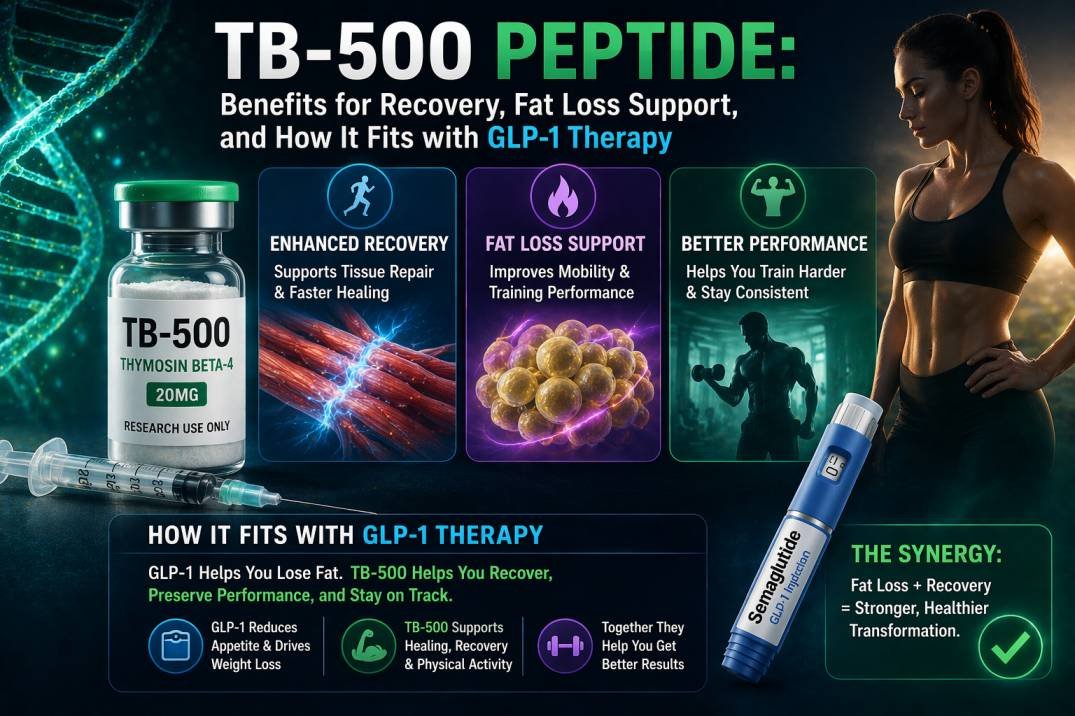
If you’re chasing faster recovery and real help with body composition, TB-500 might have a place in your toolkit. TB-500 is a synthetic fragment of thymosin beta‑4, known for speeding tissue repair and calming inflammation, and people sometimes use it alongside weight‑loss approaches like GLP‑1 therapy to support recovery and lean‑mass goals.
I’ll walk through what TB‑500 does, how it could impact healing and fat‑loss, how it might work with GLP‑1 treatment, plus the safety, dosing, and legal stuff you should keep in mind so you’re not flying blind.
Key Takeaways
- TB-500 can speed up tissue repair and lower inflammation.
- It works as a complement to fat-loss programs but isn’t a primary weight-loss tool.
- Know your dosing, risks, and legal sources before you consider it.
Understanding TB-500 Peptide
TB-500 is a lab-made peptide that targets cell movement, inflammation, and new blood vessel growth. Here’s what it is, how it works at the cellular level, and how it’s different from the full thymosin beta-4 protein.
Biological Origins and Structure
TB-500 is a synthetic fragment of the natural protein thymosin beta-4 (Tβ4). It’s got a short, active sequence with the Ac-SDKP motif, which plays a big part in actin binding and cell movement.
You’re getting a smaller molecule than Tβ4 — usually a 17–43 amino-acid fragment, depending on the peptide. Because it’s shorter, TB-500 is easier to make, more stable in the lab, and often sold as research-grade.
Manufacturers offer it as a powder for reconstitution or in pre-filled vials for injection. Its regulatory status is tricky; it’s not FDA-approved for medical use and is mostly available through research channels.
Mechanism of Action
TB-500 promotes cell migration by binding to actin and tweaking the actin cytoskeleton. That helps cells move into injured spots faster, which matters for wound closure and tissue repair.
It also supports angiogenesis — basically, it helps grow new blood vessels by upregulating pathways that encourage endothelial cell growth. Lower local inflammation is another consistent effect, so there’s less secondary tissue damage after injury.
Most evidence comes from animal studies and lab work. Human data is thin, so we don’t really know the full effects or ideal dosing yet.
Comparison to Naturally Occurring Thymosin Beta-4
Thymosin beta-4 (Tβ4) is a 43-amino-acid protein your body releases after injury. It’s got broad roles: actin regulation, anti-inflammatory signaling, and repair across lots of tissue types.
TB-500 is just a focused fraction of Tβ4, chosen for the peptide’s active region. By isolating the actin-binding domain, TB-500 might copy certain repair functions with simpler chemistry and potentially different pharmacokinetics.
Tβ4 has extra biological interactions, like more immune modulation, that the full-length protein can handle. If you’re thinking about using it, keep in mind that full Tβ4 and TB-500 aren’t interchangeable in what they do or how they’re regulated.
Impact on Recovery Processes
TB-500 targets cell movement, blood vessel growth, and inflammation control to help repair and strengthen tissue after injury.
Role in Tissue Repair
TB-500 promotes cell migration and matrix remodeling at the injury site. Damaged areas get covered faster because the cells that rebuild tissue move in more quickly. This peptide also supports new blood vessel formation, which helps bring oxygen and nutrients to healing tissue.
Animal research shows better tensile strength in repaired muscle when dosing lines up with the repair phase, not just the early inflammation stage. So, timing is key: using TB-500 during active tissue rebuilding usually gives better recovery than dosing only in the first days after injury.
Combine TB-500 with good rehab and progressive loading. It helps the biology, but you still need the right mechanical stimulus and clinical oversight.
Influence on Inflammation
TB-500 tweaks inflammatory signaling instead of shutting it down completely. You still get the acute inflammation needed to clear debris, but it dials back the chronic or excessive stuff that causes more damage. That balance helps prevent lasting tissue damage and scar formation.
The peptide reduces pro-inflammatory cytokines in preclinical studies and shifts things toward resolution and repair. That can cut down the harmful phase of inflammation and let recovery kick in sooner.
People respond differently, though. TB-500 can help control inflammation, but it doesn’t replace ice, controlled loading, or prescribed anti-inflammatories when your doctor says you need them.
Effects on Muscular Healing
TB-500 helps muscle cells migrate, organize fibers, and remodel connective tissue. In animal models, you might see faster rebuilding of aligned muscle fibers and better strength recovery if you use TB-500 during the remodeling phase.
Some evidence suggests dosing during weeks 2–6 after injury leads to better tensile strength than just using it in weeks 1–4. That suggests TB-500 boosts your body’s own repair after the initial damage is cleared, not as a quick fix.
Pair TB-500 with physical therapy and progressive resistance work for the best outcome. The peptide helps the biology, but rehab and loading drive real-world function.
Potential for Fat Loss Support
TB-500 might influence fat loss indirectly by supporting tissue repair, reducing inflammation, and making it easier to stay active. Expect modest, supportive effects — nothing like the direct fat-burning of stimulants or GH fragments.
Metabolic Pathways Involved
TB-500, as a synthetic fragment of thymosin beta-4, can affect cell migration, angiogenesis, and inflammation. These actions may change local tissue blood flow and nutrient delivery, which could slightly shift how muscle and fat respond to energy use.
It doesn’t directly trigger classic fat-burning pathways like beta-adrenergic receptors or hormone-sensitive lipase. Instead, TB-500 may help insulin signaling and lower chronic inflammation in damaged tissues, which can support metabolic flexibility over time.
Human data on metabolic effects is pretty limited. Most of what we know comes from animal studies or indirect markers, so it’s tough to say how much it’ll move the needle on body fat.
Synergy with Active Lifestyles
TB-500 can help you bounce back faster from workouts and injuries, so you can train more often. More frequent, higher-quality training is the main way to lose fat when you pair it with calorie control.
Use TB-500 with progressive resistance and aerobic training for the biggest benefit. If it cuts down soreness or downtime, you might keep your weekly activity higher and burn more calories overall.
Just remember, TB-500 isn’t a substitute for diet, sleep, or a solid exercise plan. Think of it as a support tool for staying active.
Observed Results in Body Composition
There’s not much solid human data on TB-500 and body composition — just scattered anecdotes and a few clinic reports. Some people mention small drops in body fat or better muscle tone, but we don’t have controlled trials.
Animal studies and mechanistic reports hint at improved tissue repair and less inflammation, which could help with body composition changes. Expect slow, gradual shifts that depend a lot on your diet and training.
If you’re tracking progress, measure body fat, circumference, and performance over 8–12 weeks to see if anything changes. TB-500 alone probably won’t make a huge difference; the best results come when it supports consistent training and recovery.
Integration with GLP-1 Therapy
TB-500 might help protect muscle, speed up tissue repair, and reduce inflammation while GLP-1 drugs like semaglutide suppress appetite and lower body weight. Combining them aims to keep lean mass and boost recovery without undoing the weight-loss benefits.
Complementary Benefits
TB-500 boosts cell migration and wound repair by supporting actin dynamics and angiogenesis. That’s helpful for muscle and tendon healing after injury or hard training, especially if GLP-1–driven weight loss cuts your calorie intake and slows recovery.
GLP-1 meds drop appetite and body fat, which helps metabolic health and eases joint load. Using TB-500 with a GLP-1 means you’re targeting both weight reduction and local tissue repair — hopefully keeping strength and function as you lose fat.
Considerations for Concurrent Use
Timing matters. Line up TB-500 dosing with your care plan so it supports exercise recovery or post-injury repair. Chat with your clinician about the best start dates, especially if you’re starting or changing GLP-1 doses.
Set realistic goals: GLP-1s focus on appetite and blood sugar; TB-500 is about tissue healing. Track weight, muscle mass, and function (like strength, pain, or range of motion) to see if the combo’s working for you.
Safety and Monitoring Guidelines
Work with a prescriber who knows peptides and GLP-1 therapy. Start with baseline labs: metabolic panel, fasting glucose or HbA1c, and a CBC. Retest as needed.
Keep an eye out for injection-site reactions, odd bruising, or unexpected strength changes. Report any new symptoms like rapid swelling, unexplained pain, or infection signs. Only adjust GLP-1 or TB-500 dosing with medical guidance.
Dosage, Administration, and Best Practices
Here’s how TB-500 is usually given, how to set up a dosing plan, and what can affect absorption. Follow careful steps for reconstitution, rotating injection sites, and timing to reduce risks and keep things consistent.
Common Delivery Methods
Most people use subcutaneous injection (under the skin) for TB-500. Grab a 29–31 gauge insulin-style needle and inject into fatty spots like your belly, front thigh, or upper arm. Rotate sites each day to avoid irritation or scarring.
Some folks go for intramuscular injection near a specific injury, but that can mean more bleeding and pain. Always use sterile technique: alcohol swab, clean vial top, single-use syringes. Store mixed TB-500 in the fridge and toss it after the manufacturer’s recommended time.
Establishing a Protocol
Most people start with a loading phase and then shift to a maintenance phase. Loading usually lasts 2–4 weeks, with doses given daily or every other day to build up tissue levels.
Maintenance often drops to 1–2 times per week after that. Pick a dose that’s backed by solid sources and stick with it—consistency matters more than you’d think.
Keep a simple log: jot down dose, date, site, and any reactions you notice. If you combine TB-500 with other treatments like BPC-157 or GLP-1 therapy, try to coordinate timing and monitor for any changes in healing or side effects.
If you feel unexpected pain, redness, fever, or anything that seems off, just stop and call your doctor. No need to push through odd symptoms.
Timing and Absorption Factors
Absorption depends on where and how deep you inject, plus your body fat. Subcutaneous shots give slower, steadier effects, while intramuscular ones act faster in the area but can hurt more.
Don’t inject into inflamed or infected skin. If your vial’s cold, warm it gently in your hands, and after swabbing, let the skin breathe for a minute.
Staying hydrated and getting your blood moving with light activity can help tissue healing. Try to avoid heavy alcohol or NSAIDs around injection times—they can mess with recovery.
If you keep your routine consistent, you’ll have a much easier time comparing results over time.
Risks, Side Effects, and Contraindications
TB-500 can cause reactions at the injection site and mild symptoms throughout your body. It may also interact with certain drugs or health conditions, so knowing what to watch for is key.
Potential Adverse Reactions
You might notice pain, redness, or swelling where you inject TB-500. Headaches, nausea, and a bit of fatigue show up fairly often for some people.
Less common: dizziness, appetite changes, or mild skin irritation. Serious allergic reactions are rare, but if you get hives, trouble breathing, or facial swelling, get help right away.
We don’t have much long-term safety data in humans. If new or worsening symptoms pop up after several doses, stop and see a clinician.
Interaction with Other Medications
Since TB-500 affects tissue repair and cell movement, it can change how some drugs work. Be extra careful with blood thinners like warfarin—healing changes could affect bleeding after injuries or procedures.
Don’t mix TB-500 with experimental peptide regimens unless a specialist guides you. Using it alongside strong immunosuppressants or cancer therapies could be risky because of its effects on cell growth and repair.
Tell your prescriber about every supplement, peptide, and prescription drug you take. That way, your clinician can check for interactions and tweak doses or monitoring if needed.
Population-Specific Concerns
If you’re pregnant or breastfeeding, skip TB-500—there’s just not enough safety data, and it could affect fetal or newborn development. Kids and teens also haven’t been studied enough, so don’t use it unless a pediatric specialist says it’s okay.
People with active cancer, a cancer history, or unexplained tumors should avoid TB-500 until a cancer specialist reviews the case. Its role in cell migration and repair could, in theory, affect tumor growth.
Elderly folks and those with uncontrolled chronic issues (like advanced liver, kidney, or unstable heart disease) need a personalized risk assessment and closer monitoring if TB-500 is even considered.
Legal Status and Sourcing Considerations
TB-500 sits in a legal gray zone in lots of places. Buying it usually means dealing with research-only suppliers, so check both federal and local laws—and if you’re an athlete, look at anti-doping lists—before you buy or use anything.
Current Regulatory Landscape
The FDA hasn’t approved TB-500 for human use. They treat most peptides as research chemicals.
In the U.S., some peptides went back to compounding status in 2026, but TB-500 is still limited: manufacturers usually label it “for research use only,” and pharmacies rarely compound it for regular medical use.
WADA bans TB-500 for athletes in competition, so if you compete, you’ll need to avoid it. Rules differ by country—some allow research purchases, others require a prescription or ban it outright.
Importing TB-500 might trigger customs or legal issues. Always double-check the rules where you live and wherever you travel.
Quality Assurance Guidelines
Only buy TB-500 from suppliers who offer a Certificate of Analysis (CoA) showing peptide identity, purity by HPLC, and mass spec confirmation. A real CoA helps you avoid mislabeled products, contaminants, or wrong peptide length.
Check out how the supplier operates—look for batch numbers, expiration dates, and sterile filtration claims, plus third-party testing. Avoid any vendor who won’t show lab results or claims their product is “for human use” without regulatory backing.
Keep records of your purchase, CoAs, and any communication. You might need them if questions come up about where your product came from.
Future Directions and Research Gaps
Honestly, we need large, well-designed clinical trials to know if TB-500 is really safe and effective in humans. Most of what’s out there comes from animal studies or small human trials, so plenty of gaps remain.
Standardized dosing and clear administration routes should be a research focus. Comparing injectable forms to other delivery methods would help clarify what works best and what side effects pop up.
Directly studying how TB-500 interacts with GLP-1 therapies is overdue. We need trials that look at both tissue repair and things like inflammation or weight changes when these are combined.
Long-term safety is still a big question mark. Monitoring immune responses, tumor signals, and metabolic changes over months or years is crucial.
It’s not enough to rely on animal data—we need to know how TB-500 affects blood vessel growth, cell movement, and metabolism in actual people. That’s how we’ll get safe clinical guidelines.
Diversity in research matters too. Studies should include older adults, people with chronic illnesses, and different ethnic backgrounds so findings apply to real-world patients.
If you want a quick research checklist, here’s what’s most needed:
- Randomized controlled trials with clear endpoints
- Standardized dosing and delivery protocols
- Long-term safety monitoring
- Interaction studies with GLP-1 agonists
- Mechanistic human studies
- Diverse participant groups
Filling these gaps should finally give us solid, evidence-based guidance on when and how TB-500 could fit alongside GLP-1 therapy.
Frequently Asked Questions
This section covers practical questions about TB-500 use, dosing, safety, and how it’s paired with BPC-157 and GLP-1 drugs. Expect real-world dosing ranges, typical uses, and the main concerns you should run by a clinician.
What are the main recovery and tissue-repair uses people look for with TB-500?
Most people turn to TB-500 for tendon and ligament injuries, muscle strains, and stubborn soft-tissue wounds. It’s also used by some to speed up post-surgery recovery or to calm inflammation from chronic overuse injuries.
A few users say they notice benefits for skin wounds or scar healing. Animal studies suggest it helps with cell movement and blood vessel growth, though high-quality human trials are still lacking.
How is TB-500 commonly dosed per day, and how do loading and maintenance phases differ?
During the loading phase, people often use 2–5 mg per week, split across several injections—usually 2 mg every 2–3 days for 2–4 weeks. This higher early dose is meant to build up tissue levels quickly.
Maintenance doses drop to 1–2 mg per week, divided into one or two shots. This lower dose aims to sustain the effects after loading and can last several weeks or even months, depending on how the injury responds.
Can TB-500 and BPC-157 be used together, and should they be mixed in the same syringe?
Lots of users combine TB-500 and BPC-157 since they work differently and might complement each other. Don’t mix them in the same syringe unless the product instructions clearly say it’s safe and a clinician signs off.
Inject each one separately to avoid chemical incompatibilities and to keep dosing accurate. Using separate injections also makes it easier to tell which peptide caused any effects or side effects.
What dosing ranges are commonly discussed for TB-500 plus BPC-157 when supporting an injury recovery plan?
Many people talk about using TB-500 at 2–5 mg per week and BPC-157 at 250–1,000 mcg per day, usually split into one or two doses. For BPC-157, 500 mcg daily is a pretty common middle-ground dose.
There’s a lot of variation based on the injury and user experience. Always check dosing and timing with a knowledgeable clinician before starting anything.
What are the most frequently reported side effects and safety concerns associated with TB-500?
The most common side effects are mild—think injection-site reactions, fatigue, or a temporary headache. Long-term safety, and whether it affects cancer risk or causes abnormal tissue growth, just hasn’t been studied enough.
TB-500 isn’t FDA-approved and is sold in unregulated markets, so there are real concerns about purity and accurate dosing. Talk to your clinician about any underlying health issues or medications before you even consider using it.
How do people typically time TB-500 alongside GLP-1 medications, and are there any interaction concerns to discuss with a clinician?
Most folks keep their GLP-1 dosing schedules the same and just fit TB-500 around them.
Nobody’s found strong evidence that TB-500 and GLP-1 drugs interact directly, but it’s not something to take for granted—definitely check with your clinician about possible effects on wound healing, blood sugar, or recovery overall.
If you’re using GLP-1 meds for weight or diabetes, keep an eye on your wound healing and glucose levels while you’re on TB-500.
Loop in your GLP-1 prescriber so you can tweak your care plan if anything feels off.