Address
30 N Gould St.
Suite R, Sheridan, WY 82801, USA

What Happens If Semaglutide Freezes? Effects, Risks, and Safe Handling Guidelines

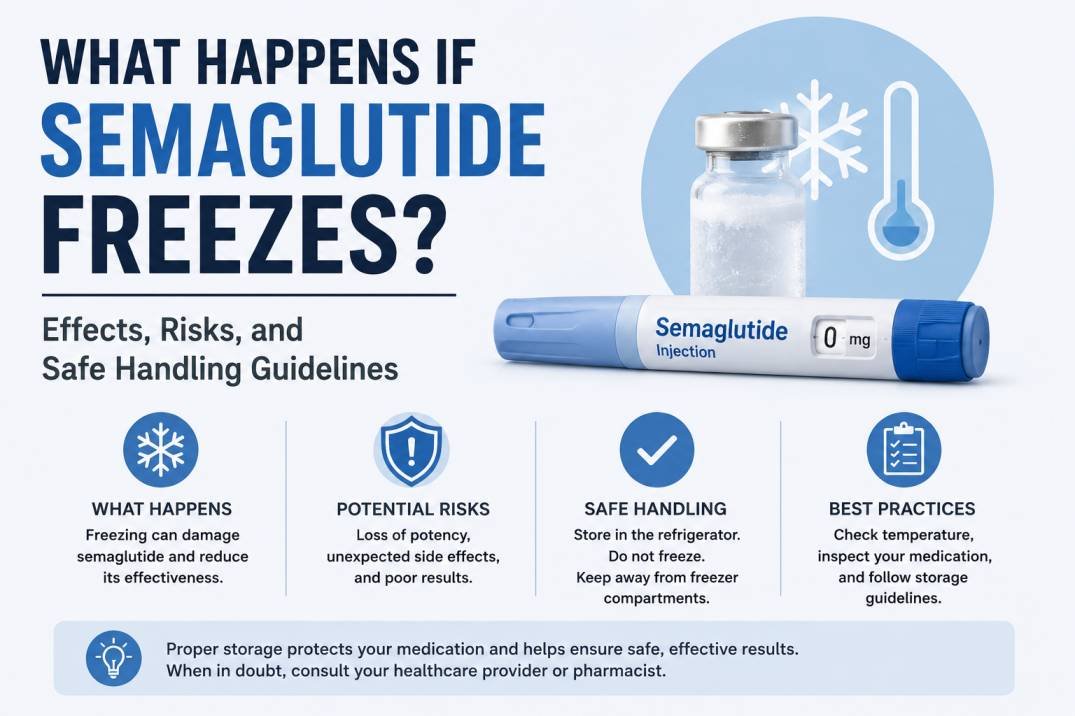
If your semaglutide freezes, it can change the medicine’s structure and make it less reliable. A frozen semaglutide pen or vial may lose potency and should be treated as compromised unless a pharmacist or manufacturer confirms it’s still good. You’ll want to act quickly to avoid wasted doses or a disrupted treatment plan.
You may see cloudiness, crystals, or an odd texture after thawing, and those signs can mean the drug won’t work the same way. Contact your pharmacy or prescriber for clear next steps, and store backup doses correctly to prevent this costly mistake.
Key Takeaways
- Frozen semaglutide can show visible changes that indicate damage.
- Freezing may reduce how well the medication works and affect your treatment.
- Check with a pharmacist and follow proper storage and disposal guidance.
Physical Changes to Semaglutide
Freezing can change how your semaglutide looks, feels, and smells. These changes can signal loss of potency or safety concerns you should not ignore.
Visual Appearance Alterations
When semaglutide freezes, you may see cloudiness or tiny white particles in the solution or suspension. Vials or pens that were clear and colorless can turn slightly opaque. Crystallization often shows as small white flakes or clumps that do not dissolve when gently warmed to room temp.
Inspect pens and vials against a light background. Look for permanent particles that persist after letting the product reach room temperature for at least 30–60 minutes. If you see color change, strong cloudiness, or solid clumps, treat the dose as compromised and do not inject it.
Texture and Consistency Effects
Freezing alters the smoothness and flow of semaglutide. Liquid that once flowed easily may become thicker or form gel-like areas after thawing. Prefilled pens may deliver inconsistent volumes if the internal suspension structure has been disrupted.
Small changes in viscosity can cause clogging in needles or uneven dosing from pens. If you notice resistance when you prime a pen, or the solution withdraws strangely from a vial, stop and discard the product. Using a syringe to force out thickened material can lead to wrong dosing and should be avoided.
Odor and Separation
Semaglutide typically has little to no odor when stored correctly. Freezing followed by thawing can cause a faint chemical or “off” smell that was not there originally. Any new, unusual smell can indicate break down or contamination.
You may also see separation: layers forming, oil droplets, or sediment at the bottom. Do not mix separated layers by shaking; that can hide damage and trap air bubbles. If you notice odor changes or visible separation after freezing and thawing, do not use the medication.
Potential Impact on Efficacy
Freezing can change the drug’s structure, reduce how much active drug is delivered, and make blood sugar control less predictable. You should treat frozen semaglutide as potentially less effective and take steps to confirm its condition before using it.
Degradation of Active Ingredients
Freezing can damage semaglutide molecules and the formulation that keeps them stable. Ice crystals form and can break peptide chains or alter the protein folding that semaglutide needs to work. This damage can be subtle and not visible, so the pen might look normal even if the drug is altered.
Preservatives and stabilizers in the solution can separate or concentrate when frozen and then thawed. That change can reduce the formulation’s ability to protect the active ingredient from breakdown. Manufacturers warn against freezing for this reason.
If you suspect freezing, do not rely on appearance alone. Contact your pharmacy or manufacturer for specific guidance and consider replacing the pen rather than risking reduced activity.
Loss of Potency
Freezing may lower the amount of active semaglutide available per dose. Chemical changes during freeze–thaw cycles can convert some active molecules into inactive forms. That means each injection could deliver less drug than the label indicates.
Reduced potency may not be consistent across doses. Some parts of the cartridge may be more affected than others after thawing. This uneven potency can make dosing unpredictable and harder to manage.
If you notice weaker effects after a suspected freeze, stop using the product and seek a replacement. Your clinician can advise whether to test blood sugars more frequently while you switch to a confirmed good supply.
Reduced Effectiveness in Blood Sugar Control
Lower potency and molecular damage can directly affect glucose control. You may see higher fasting glucose, more post-meal spikes, or less weight loss than expected when the drug is less active. These changes can happen gradually or suddenly depending on how much of the drug was degraded.
Unpredictable dosing increases the risk of hyperglycemia. You should monitor your blood glucose more closely if a dose might have come from a frozen pen. Adjustments to other diabetes medications may be needed temporarily under clinician guidance.
Report any suspected freeze to your healthcare team. They can help you check blood sugar trends, decide on replacement medication, and prevent lapses in effective therapy.
Risks to Safety
Freezing can change the drug’s texture, sterility, and how your body reacts. You may face contamination, irritation where you inject, or new allergic reactions.
Contamination Concerns
Freezing and thawing can damage the vial or pen components, making microscopic cracks or weakening seals. This lets bacteria or mold enter the solution, especially if the device was already used or the seal was compromised.
If you see cloudiness, particles, or discoloration after thawing, do not inject. Those signs suggest contamination or degradation. Even if the liquid looks normal, repeated freeze–thaw cycles raise the risk that the active drug has broken down or that microbes grew during a damaged-seal period.
Store pens in their original packaging and avoid puncturing seals before use. If you suspect the product froze, contact your pharmacist or prescriber for guidance and replacement rather than guessing it’s safe.
Injection Site Reactions
A frozen-then-thawed dose can form tiny aggregates or change viscosity. When you inject this, the solution may irritate local tissue more than a properly stored dose.
You might get redness, swelling, pain, or small lumps at the injection site. These reactions can last days and sometimes lead to bruising or delayed healing, especially if you inject repeatedly into the same area.
Use a new, unused pen or vial and rotate injection sites. If you notice severe pain, spreading redness, warmth, or fever, seek medical care — those signs can indicate a deeper infection or severe local reaction.
Possibility of Allergic Responses
Protein drugs like semaglutide can change shape when frozen. That change can expose new surfaces the immune system sees as foreign. You could have a new or stronger allergic response after injecting a thawed dose.
Allergic signs include hives, itching, swelling of face or throat, difficulty breathing, or sudden dizziness. Mild skin itching at the site is more common, but any breathing or throat symptoms require immediate emergency care.
If you’ve had allergies to similar drugs before, tell your prescriber. Stop using the suspected dose and seek medical advice if you suspect an allergic reaction; keep the pen/vial for inspection if instructed.
Proper Storage Guidelines
Store semaglutide where the temperature stays steady and away from direct light. Protect pens or vials from freezing, heat, and strong sunlight to keep the drug effective.
Recommended Temperature Range
Keep semaglutide refrigerated between 36°F and 46°F (2°C to 8°C) before first use. This range preserves the peptide structure and potency.
If a pen or vial is labeled for room-temperature use after first opening, follow that label closely. Do not expose opened devices to temperatures above 86°F (30°C) for extended periods.
Never freeze semaglutide. Freezing can form ice crystals that damage the medication. If your dose has frozen, do not use it. Inspect the liquid: cloudy appearance, discoloration, or particles mean you should discard it.
Keep the medication in its original box to protect it from light. Use a fridge thermometer to confirm temperatures. Record the date you start a pen or vial so you can follow the time limits in the prescribing information.
Handling During Transport
When you travel, use an insulated cooler or cold pack to maintain 36°F–46°F (2°C–8°C). Place ice packs in a cloth or thermal pouch to avoid direct contact with pens or vials.
For short trips under 24 hours, a well-insulated bag with a cold pack is usually enough. For longer trips, use a proper medical cooler and check temperature periodically with a small thermometer.
Avoid airport or ground transport with checked baggage, which can freeze or overheat. Carry semaglutide in your carry-on and bring the pharmacy label or prescription in case security asks questions.
If a package is exposed to freezing while in transit, examine the product before use. Do not use it if frozen, discolored, cloudy, or containing particles. Contact your pharmacy for a replacement.
Stability and Expiration Considerations
Freezing can change semaglutide’s potency and safety. You need to check how long a vial or pen stays usable after a freeze and follow the maker’s storage steps exactly.
Shelf Life After Temperature Excursion
If semaglutide freezes, its stability may drop. Manufacturers and studies show peptides can denature when frozen and thawed repeatedly, which can lower potency and change how the drug works. A single brief freeze followed by prompt refrigeration may not ruin the product, but repeated or prolonged freezing increases risk.
Look for visible changes: cloudy solution, particles, or discoloration mean you should not use it. If the product looks normal, record the incident date and watch for guidance on how long to keep using it—some forms have a 28-day use window once in use. When in doubt, treat the dose as compromised and replace it to avoid unpredictable blood-glucose control or reduced effect.
Manufacturer Recommendations
Follow the specific storage instructions on your medication label and leaflet. For most semaglutide brands, the label gives a fridge temperature range (usually 2–8°C / 36–46°F) and a post-first-use timeframe (commonly 28 days for pens or vials). The manufacturer will state whether accidental freezing requires disposal.
If the manufacturer’s guidance is unclear, contact their medical information line or your pharmacist. Keep proof of lot number and storage history when asking for advice. Do not try to test potency yourself; only the manufacturer or a lab can verify drug integrity. If they advise disposal, replace the product before your next dose.
Proper Disposal of Compromised Semaglutide
If your semaglutide has frozen, do not use it. Freezing can irreversibly damage the drug’s structure and reduce safety and effectiveness. You should treat frozen or thawed semaglutide as compromised.
First, contact your pharmacy or prescriber for specific disposal and replacement instructions. Many pharmacies will accept returned injectable medication or advise a safe disposal option. They can also help you get a new supply quickly.
If the pharmacy cannot take it back, follow local medication-disposal rules. Use an FDA-approved drug take-back program or community collection site when available. These programs prevent environmental harm and reduce risk to others.
When no take-back option exists, prepare the dose for household disposal: mix the syringe or pen contents with an undesirable substance (like used coffee grounds or cat litter) in a sealed container. Then place the sealed container in your regular trash, out of reach of children and pets. Do not flush semaglutide down the toilet.
Always remove personal information from prescription labels before disposal. This protects your privacy and prevents misuse of your medical information. If unsure, ask your pharmacy for step-by-step disposal guidance.
Impacts on Treatment Plans
If your semaglutide pen or vial freezes, you should stop using it and contact your prescriber or pharmacist right away. Frozen semaglutide can lose effectiveness or change chemically, so continuing treatment with a frozen product could reduce benefits.
You may need a replacement dose before your next scheduled injection. That could mean getting a new prescription or a same-day pharmacy refill, depending on how soon you take your next shot.
Freezing can lead to missed or delayed doses. Missing doses may lower blood sugar control or slow weight loss progress. Your clinician might adjust the schedule or provide bridging advice to keep treatment steady.
Insurance and cost can be affected. You might have to pay for a replacement, or your insurer may cover it; check your policy and ask the pharmacy about replacement programs.
Your provider may monitor you more closely after a freeze event. They might order extra follow-up, check blood sugars more often, or adjust other medications if control worsens.
Practical steps you can expect:
- Call your clinic for specific guidance.
- Avoid using any product that froze, even if it looks clear after thawing.
- Document when and how the freeze happened for insurance or pharmacy records.
Advice for Preventing Freezing Incidents
Store semaglutide in the refrigerator at the temperature range on the label, usually 2–8°C (36–46°F). Check your fridge thermometer regularly so you know the actual temperature inside.
Keep the medication away from the back or sides of the fridge where cold spots form. Place pens or vials on a middle shelf or in the main compartment to avoid accidental exposure to colder areas.
Avoid putting semaglutide in the freezer or on ice packs. When transporting, use a soft cooler or insulated bag with a thermometer pack that keeps the temperature stable but not below the recommended range.
If you must travel, bring a letter from your prescriber and use travel cases designed for injectable medications. Change cooling packs frequently and monitor the temperature with a small digital thermometer.
Label your medication with the date you opened it and any important storage notes. This helps you track use and spot potential temperature mishandling sooner.
Check the pen or vial before each use for changes in color, cloudiness, or particles. If you suspect the medication froze, do not use it; contact your pharmacist or provider for replacement and disposal guidance.
Consulting Healthcare Professionals
If your semaglutide pen or vial freezes, contact your pharmacist or prescriber right away. They can tell you whether the product is safe to use or needs replacement.
Bring details about storage conditions when you call. Include how long it was frozen, the temperature, and whether the container looks changed or damaged.
Your pharmacist can check manufacturer and FDA guidance for that specific brand. They may replace the dose under your insurance or suggest how to discard the frozen product safely.
If you have extra questions about dosing or side effects after a suspected freeze, speak with your prescriber. They can advise if you should delay or change injections and arrange a new prescription if needed.
Keep records of any communications and replacements. This helps with insurance claims and provides a clear history if problems recur.
Frequently Asked Questions
Semaglutide must stay above freezing to keep its strength and safety. If a pen or vial freezes, you need to check appearance, storage history, and follow precise disposal or replacement steps.
Is semaglutide still safe to use after it has been frozen?
No. The FDA and manufacturers say do not use semaglutide that has frozen. Freezing can damage the drug and you should not inject it.
If a dose froze, discard the pen or vial and get a replacement from your pharmacy or provider.
How can you tell if a semaglutide pen or vial has been frozen or damaged by cold?
Look for visible ice crystals, cloudiness, particles, or change in color. The solution should be clear and uniform; any clumps or cloudiness suggest damage.
Also check the pen or vial for cracks, bulging, or other physical damage. Note when and where it was stored; exposure to sub-freezing temps during travel or shipping increases the risk it froze.
Does freezing reduce the effectiveness of semaglutide or change how it works?
Yes. Freezing can break down the peptide structure and reduce potency. That may make the medicine less effective or unpredictable.
You cannot rely on thawing to restore full potency or the original drug behavior.
What should you do if semaglutide was left in a freezer or exposed to sub-freezing temperatures during shipping?
Do not use the product. Contact your pharmacy or prescriber right away for guidance and a replacement.
Dispose of frozen pens or vials according to local drug-disposal rules or the pharmacy’s instructions.
Are compounded semaglutide products affected differently by freezing than branded pens?
Compounded products can be more sensitive because formulation and handling vary by pharmacy. They may have different stability and storage recommendations.
Check the compounding pharmacy’s storage guidance and ask whether a freeze event requires discarding the dose.
Can semaglutide be used if it partially froze and then thawed, or should it be discarded?
Discard it. Partial freezing still risks structural damage and reduced potency. Thawing does not guarantee safety or effectiveness.
If you suspect partial freezing, replace the product before the next dose.