Address
30 N Gould St.
Suite R, Sheridan, WY 82801, USA

What Is the Difference Between Semaglutide and Tirzepatide: Clear Comparison of Uses, Effects, and Side Effects

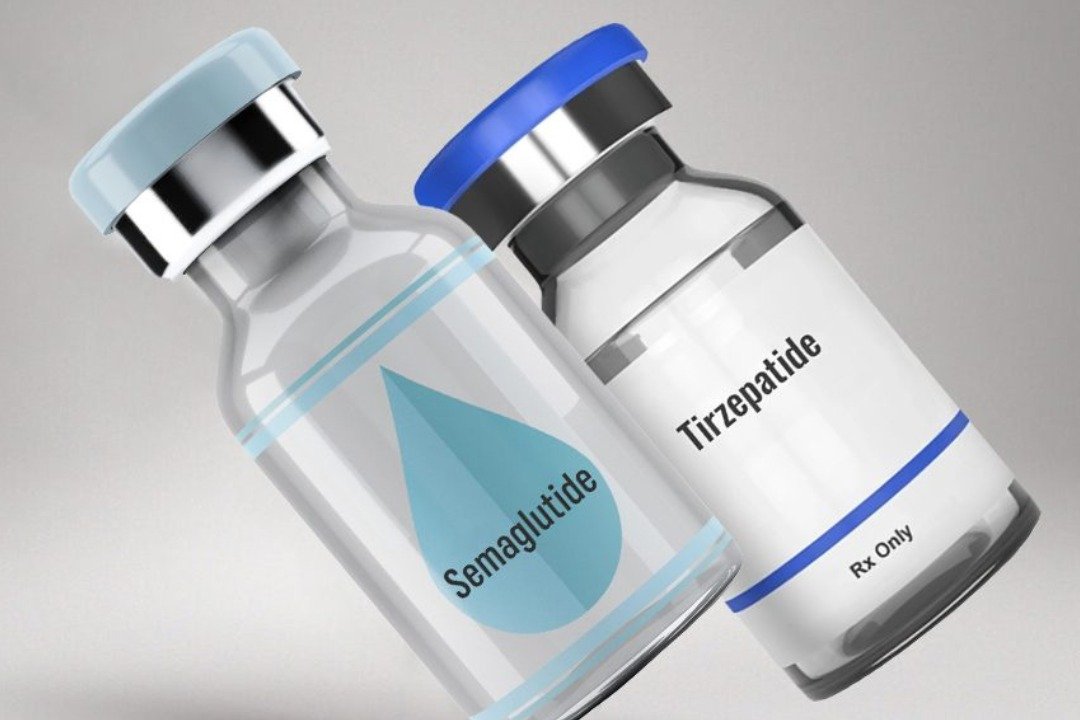
You’ve probably seen both names in headlines, but they aren’t quite the same. Semaglutide acts only on the GLP-1 pathway, while tirzepatide targets GLP-1 plus GIP, and that extra action often produces larger average weight loss and stronger glucose lowering.
It’s smart to weigh benefits, side effects, cost, and how each drug is given before making any decisions. Let’s dive in so you can chat with your doctor and actually know what you’re talking about.
Key Takeaways
- One drug targets a single hormone pathway while the other targets two for broader effects.
- Combined-action therapy tends to show greater average weight loss and blood sugar reduction.
- Side effects, dosing, and cost differ and affect which option suits your situation.
Core Differences Between Semaglutide and Tirzepatide
There are some clear differences in how these drugs work, their molecular structure, and what conditions they’re meant for. These factors shape weight loss, blood sugar control, and what side effects you might see.
Drug Class and Mechanism of Action
Semaglutide is a GLP-1 receptor agonist. It mimics the gut hormone GLP-1 to boost insulin release, slow stomach emptying, and reduce appetite.
That action lowers blood sugar and usually helps people eat less. Tirzepatide is a dual GIP/GLP-1 receptor agonist, so it activates both GIP and GLP-1 pathways.
This dual action often produces greater reductions in blood sugar and bigger weight loss than GLP-1 alone, at least in the clinical trials we have so far. Think of semaglutide as working on one hormone and tirzepatide as working on two.
The extra GIP activity seems to add metabolic benefits, but it can also tweak side effects and how your body responds to dosing.
Molecular Structure
Semaglutide is a modified peptide based on human GLP-1. It’s got a fatty acid side chain that helps it bind to albumin and stay in your system longer, so you only need it once a week.
Tirzepatide is a bigger engineered peptide that combines GIP and GLP-1 activity. It’s also chemically tweaked to last longer and stay stable in your body.
Both drugs are built to resist quick breakdown by enzymes, but tirzepatide’s structure is tuned to hit both receptors effectively. These tweaks explain why dosing schedules and effects differ.
Primary Medical Uses
Semaglutide is approved for type 2 diabetes and for chronic weight management at higher doses. Docs use it to lower HbA1c, cut fasting glucose, and help with weight loss that sticks.
Tirzepatide is approved for type 2 diabetes and is getting a lot of buzz for weight loss, with some places now officially approving it for obesity. Trials show it can mean bigger drops in weight and HbA1c compared to semaglutide.
- Key clinical effects: semaglutide — effective glucose control and weight loss; tirzepatide — often greater weight loss and stronger HbA1c reduction.
- Practical note: both are injectable, usually weekly, but dosing and titration schedules differ.
Efficacy and Clinical Outcomes
Both drugs lower blood sugar and help with weight, but how much—and how quickly—can vary. Trial evidence and cardiovascular data are a bit different, too.
Effectiveness in Type 2 Diabetes Management
Semaglutide lowers HbA1c by about 1.0–1.5 percentage points for many folks, depending on dose and how high things were to start. It works by boosting insulin and slowing your stomach down.
Tirzepatide hits both GIP and GLP-1 receptors, and in trials, it’s dropped HbA1c by 1.5–2.5 percentage points. Some people see bigger changes in insulin resistance and fasting glucose, especially if their numbers are high to begin with.
Both drugs can mean you need less of other glucose-lowering meds. If you’re on sulfonylureas or insulin, keep an eye out for low blood sugar.
Outcomes in Weight Loss
Semaglutide at higher doses can mean 10–15% body weight loss in trials for people with obesity or T2D. Most of that comes from appetite suppression and slower gastric emptying.
Tirzepatide, though, often shows 15–22% weight loss in obesity trials at higher doses. The combo GIP/GLP-1 action seems to help people cut more calories and lose more fat than GLP-1 alone.
Both drugs can cause nausea, vomiting, and diarrhea, but how much varies a lot person to person. Some folks just tolerate one better than the other—or lose more weight on one.
Comparative Clinical Trial Results
Direct, head-to-head trials are rare, but the evidence we do have points to bigger average weight and HbA1c reductions with tirzepatide compared to semaglutide at approved doses. For weight loss, several studies found tirzepatide led to significantly more pounds lost.
Cardiovascular outcome data is stronger for semaglutide so far, with a 20–26% reduction in major events in big trials. Tirzepatide’s heart data looks promising, but the full results aren’t out yet.
Side effect rates—especially for stomach issues—are pretty similar. Deciding between the two often comes down to weighing tirzepatide’s stronger weight and glucose effects against semaglutide’s established heart benefits.
Side Effects and Safety Profiles
Both drugs can mess with your stomach, but tirzepatide sometimes causes a bit more nausea and diarrhea at higher doses. Each one carries rare but serious risks, like pancreatitis and possible thyroid C-cell tumors, and some health conditions make them a no-go.
Common Adverse Reactions
Most people notice stomach issues—nausea, vomiting, diarrhea, constipation, or just not being as hungry. Symptoms usually pop up when you increase the dose and often calm down after a few weeks.
Tirzepatide sometimes causes higher rates of nausea, vomiting, and diarrhea, especially at the top doses. Semaglutide can lead to more constipation for some.
If you can’t keep fluids down or feel really sick, let your doctor know. They can slow down dose increases, adjust timing, or even switch meds if things get rough.
Serious Risks and Warnings
There are some rare but serious risks you need to know. Pancreatitis has happened—if you get severe stomach pain (sometimes with vomiting or fever), stop the drug and get help fast.
Gallbladder problems, including gallstones, can show up, especially with big weight loss. There’s also a boxed warning about possible thyroid C-cell tumors in rodents; don’t use these if you or a family member has medullary thyroid carcinoma or MEN2.
Severe low blood sugar can happen if you’re also on insulin or sulfonylureas—your doctor will probably lower those. If you get dehydrated from vomiting or diarrhea, watch your kidneys.
Call your doctor right away for jaundice, constant stomach pain, or any severe allergic reaction.
Contraindications
Skip these drugs if you or a family member has medullary thyroid carcinoma (MTC) or multiple endocrine neoplasia type 2 (MEN2). That’s straight from rodent tumor findings and is in all the prescribing info.
Don’t use if you’re pregnant or planning to be—the weight loss and possible fetal risks aren’t worth it. People with severe stomach problems (like gastroparesis) should also steer clear, since slowed digestion can make symptoms worse.
If you take insulin or similar meds, your doctor will tweak doses to lower the risk of low blood sugar. Also avoid if you’re allergic to any ingredient in the drug.
Dosing and Administration
Both drugs use weekly injections, starting low and increasing every 4 weeks to limit side effects. Your doctor sets the target dose based on how you do.
Recommended Dosages
- Semaglutide: usually starts at 0.25 mg once a week. After 4 weeks, it often goes up to 0.5 mg, and for weight management, it might go to 1.0 mg, 1.7 mg, or even 2.4 mg, depending on how things go.
- Tirzepatide: typically starts at 2.5 mg weekly. After 4 weeks, it bumps up to 5 mg. Then, increases by 2.5 mg every 4 weeks can go to 7.5 mg, 10 mg, or 15 mg, depending on how you’re tolerating it and what you need.
Follow your prescriber’s plan. If you get hit with nausea or vomiting, your doctor might slow things down.
Frequency and Method of Administration
Both are given by subcutaneous injection once a week—abdomen, thigh, or upper arm work. Rotate injection spots so your skin doesn’t get irritated.
Use the pen exactly as shown in the instructions. Try to pick a consistent day each week. If you miss a dose, take it within 3 days or check with your doctor for advice.
Don’t split doses or double up in 24 hours. Store unused pens in the fridge, but you can keep the one you’re using at room temp (check your product label).
Patient Eligibility and Considerations
Both drugs are for type 2 diabetes and chronic weight management if your BMI meets certain thresholds. Your health history, other meds, and what you want to achieve all play into which one’s best.
Indications by Patient Population
If you have type 2 diabetes, either drug can lower blood sugar and HbA1c. Semaglutide’s been around longer for both diabetes and weight loss at higher doses.
Tirzepatide is approved for T2D and, in trials, has shown larger average weight loss—so it might be the pick if that’s your main goal. For weight management without diabetes, both are options if your BMI is ≥30 kg/m², or ≥27 kg/m² with weight-related issues.
Older adults can use either, but kidney and liver health matter. Kids, people under the approved age, and those who are pregnant or breastfeeding shouldn’t use these.
Let your provider know if you’ve had pancreatitis, thyroid cancer, MEN2, or bariatric surgery—these can all affect whether these drugs are safe or how you’ll respond.
Factors Influencing Choice
Think about how much weight you want to lose. Tirzepatide usually leads to larger losses, based on trials.
If lowering HbA1c is the main thing, compare the numbers for each dose with your doctor. Both cause stomach side effects, but how bad and how often can really vary.
Cost, insurance, and how often you want to inject matter, too. Semaglutide is weekly, tirzepatide is also weekly, but dosing schedules aren’t identical.
If you’re on other glucose-lowering meds, your doctor will probably need to adjust those. And if you’re switching between these drugs, timing and possible washout periods matter to avoid side effects or losing the effect.
Availability and Regulatory Status
Both are on the market, but their approvals and how you get them aren’t identical. Semaglutide is widely approved for type 2 diabetes and chronic weight management, while tirzepatide is approved for diabetes and used off-label or under study for weight loss in a lot of places.
FDA Approvals and Indications
Semaglutide has multiple FDA approvals. Weekly injectable forms (Ozempic) are for type 2 diabetes, and a higher-dose injectable (Wegovy) is for chronic weight management.
Oral semaglutide (Rybelsus) is approved for type 2 diabetes. Each approved use comes with labeled dosing, safety data, and patient info.
Tirzepatide (Zepbound for weight management and Mounjaro for diabetes, depending on the brand and use) got FDA approval for type 2 diabetes first. Later, it picked up approvals or regulatory actions for weight management in certain forms.
Prescribing info covers dosing, side effects, and monitoring. You’ll want to stick to FDA-labeled indications when you can; compounding or off-label use gets tricky and has more regulatory and clinical hurdles.
Availability in Different Markets
In the U.S., both drugs are available by prescription at pharmacies and specialty clinics. Earlier supply problems have mostly eased up, so you should be able to get FDA-approved products without turning to compounded versions.
Globally, it’s a mixed bag. Some countries approved both drugs for diabetes but not for weight loss, or they use different brand names and forms.
Insurance coverage and local regulations will shape your access and the price you pay. If a product isn’t approved where you live, some folks get it through specialist programs or importation under local rules, but that can come with regulatory or safety tradeoffs.
Cost and Insurance Coverage
Semaglutide and tirzepatide are pricey—often several hundred to over a thousand dollars a month if you pay out of pocket. What you actually pay depends a lot on insurance, the brand, and your medical reason for taking it.
Pricing Differences
List prices swing by brand and dose. Without insurance, expect around $900–$1,500 per month for semaglutide (Wegovy/Ozempic) and about $1,000–$1,400 for tirzepatide (Mounjaro/Zepbound).
Pharmacy, local discounts, and the actual dose will nudge those numbers up or down. Some analyses show total treatment costs can differ by thousands over time, with tirzepatide sometimes coming out lower, but it really depends on your dose and how long you’re on it.
You might save money with manufacturer savings cards, pharmacy discount programs, or generics if they’re available. It’s worth asking your pharmacist to check retail prices and coupons for your exact brand and dose.
Insurance and Access
Insurer rules are all over the place. Semaglutide’s been around longer for diabetes, so many plans cover it more easily for that use than for weight loss.
Tirzepatide is newer, so prior authorization and stricter coverage rules pop up more often. Coverage can hinge on diagnosis codes, prior treatments, or step therapy rules.
Some commercial plans cover these drugs with a low copay if they’re on the formulary. Medicare Part D coverage is spotty and depends on the plan and whether you’re using it for an FDA-approved condition.
If your plan says no, you can ask your prescriber for a prior authorization, appeal, or try manufacturer support programs. Always check with your insurer and pharmacy for a real cost estimate before jumping in.
Future Research and Emerging Evidence
More head-to-head trials comparing tirzepatide and semaglutide are on the way. Early studies and indirect reviews suggest tirzepatide often leads to greater weight and blood sugar reductions, but we still need more direct comparisons in different groups.
Keep an eye out for cardiovascular outcome data. Both drugs look promising for heart protection in various studies, but we’re waiting on bigger, longer trials to see which one really stands out for specific risk groups.
Researchers are also looking at different dosing forms and how they affect adherence. Oral semaglutide could make things easier for some, while the injectables have their own schedules. Your success in the real world will probably depend on what fits your routine best.
Expect more info on safety and side effects as time goes on. GI effects look similar so far, but rare or long-term issues might pop up later. It’s smart to talk through new risks with your doctor as more evidence shows up.
- Ongoing head-to-head randomized trials and more real-world studies.
- Long-term cardiovascular outcome trials and subgroup breakdowns.
- Research on oral semaglutide, dosing convenience, and sticking with treatment.
- Safety tracking for rare or late-appearing side effects.
Frequently Asked Questions
Semaglutide mainly acts on the GLP-1 receptor. Tirzepatide hits both GIP and GLP-1 receptors. In trials, tirzepatide tends to lead to bigger average weight loss, and both drugs share a lot of GI side effects.
How do semaglutide and tirzepatide differ in their mechanisms of action?
Semaglutide is a GLP-1 receptor agonist. It mimics GLP-1 to boost insulin, slow stomach emptying, and curb appetite.
Tirzepatide is a dual agonist for GIP and GLP-1. The GIP part changes insulin and fat metabolism, probably kicking up the weight-loss effects over GLP-1 alone.
What are the comparative effects of semaglutide and tirzepatide on weight loss?
Clinical trials show tirzepatide generally delivers more average weight loss than semaglutide at approved doses. The difference shifts by dose and study, but tirzepatide often comes out ahead by several percentage points.
Results are personal, though. Your starting weight, dose, how long you’re on it, and your lifestyle all matter.
Can you contrast the side effects profile of semaglutide with that of tirzepatide?
Both drugs commonly cause nausea, vomiting, diarrhea, constipation, and less appetite. GI effects top the list for both.
Some trials hint that tirzepatide’s GI side effects might be a bit higher at bigger doses. Serious but rare risks—like pancreatitis or gallbladder issues—show up with GLP-1–based drugs, so talk those over with your doctor.
Are semaglutide and tirzepatide used for the same health conditions?
Both are approved for type 2 diabetes in many places. They also have approvals or guideline backing for chronic weight management, depending on dose and country.
Indications and approved doses aren’t always the same between countries or products. Your doctor will sort out what fits your needs and local rules.
What are the differences in dosing and administration between semaglutide and tirzepatide?
Semaglutide is usually given once a week by subcutaneous injection in prefilled pens. The dose starts low and steps up over time to ease GI side effects.
Tirzepatide is also a weekly subcutaneous injection, but the starting dose and step-up schedule are different. Always follow your prescribing info and provider’s instructions.
How do semaglutide and tirzepatide vary in terms of their clinical efficacy?
Both drugs lower HbA1c pretty effectively for blood sugar control. Tirzepatide, though, has edged out semaglutide in a few head-to-head trials, showing bigger drops on average.
When it comes to weight loss, tirzepatide tends to lead to more pounds lost compared to semaglutide at usual doses. The full story on long-term results, heart effects, and how well they work in the real world? That’s still unfolding, and honestly, it varies quite a bit from person to person.