Address
30 N Gould St.
Suite R, Sheridan, WY 82801, USA

Tirzepatide Weight Loss Plateau: Causes, Solutions, and Next Steps

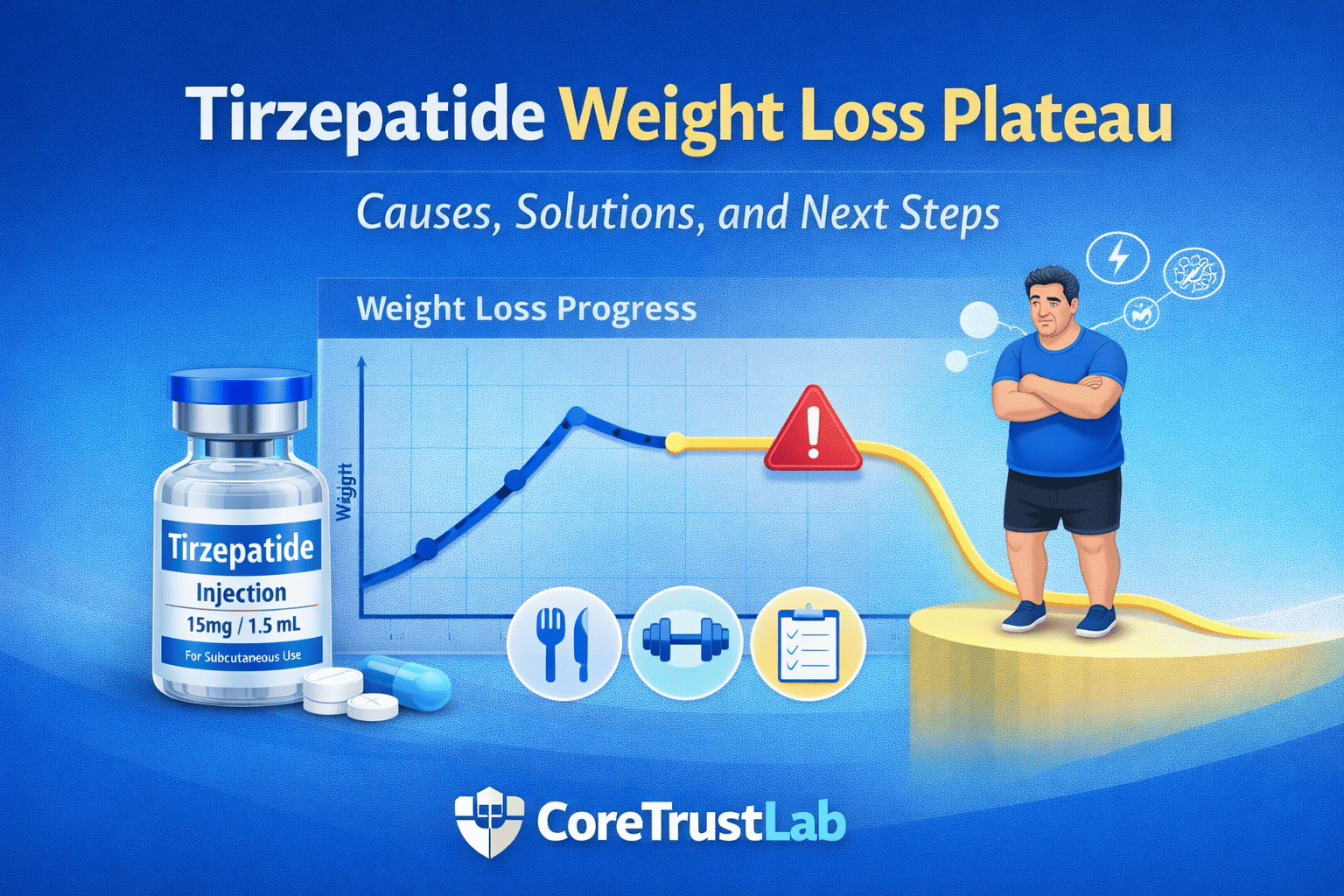
You started tirzepatide and saw progress — then the scale stalled. That pause doesn’t mean the drug quit working; your body just adapts as you lose weight, and a plateau usually signals it’s time for a dose review, diet tweaks, or activity changes.
You can restart progress by adjusting habits, checking your dose with your clinician, and tracking calories and activity more closely.
This article digs into why plateaus happen on tirzepatide and shares practical steps to break through them. You’ll also know when it’s time to get medical advice.
Use these evidence-based tips to decide which changes to try next—and when a provider’s input makes sense.
Key Takeaways
- Plateaus happen to almost everyone and usually mean your metabolism’s adjusting.
- Small tweaks in diet, activity, or medication review can get the scale moving again.
- If your stall drags on or you’re thinking about dose changes, talk to your clinician.
Understanding Tirzepatide’s Weight Loss Effects
Tirzepatide lowers appetite, slows stomach emptying, and helps control blood sugar. Most people see steady weight loss, but how fast and how much depends on dose, starting weight, and your health background.
Mechanism of Action
Tirzepatide activates two gut hormone receptors: GIP and GLP-1. This dual action dials down hunger signals in your brain and helps you feel full sooner after eating.
Your stomach empties slower too, so food hangs around longer, and you end up eating less.
Metabolically, tirzepatide boosts insulin sensitivity and lowers fasting blood sugar. That combo reduces fat storage and supports fat loss, especially when you’re eating less.
Some people get nausea or other side effects while their body adjusts, which can lower appetite even more. If side effects make it hard to eat or you’ve got a history of pancreatitis or thyroid problems, talk to your clinician.
Typical Weight Loss Timeline
Most folks start dropping weight within 2–4 weeks after ramping up the dose. That early loss usually comes from eating less because you’re not as hungry.
Weight loss usually continues over months, especially as doses go up. Protocols often bump the dose every 4 weeks until you hit your target, which can speed things along.
Plateaus are almost inevitable: after some early losses, you might see weeks where nothing much changes. These stalls can last a few weeks and often break with small diet or activity tweaks—or later, a dose adjustment.
Track your weight, calories, and activity so you can tell a real plateau from normal week-to-week ups and downs.
Success Rates in Clinical Trials
Clinical trials show tirzepatide leads to bigger, dose-dependent weight loss than placebo and many GLP-1 drugs. More people reached meaningful goals like 5%, 10%, and 15% body weight loss compared to other treatments.
Higher doses and longer studies brought the largest average losses—sometimes well over 10% at effective doses over several months.
Results vary, though. People who started heavier and stuck closely to lifestyle advice usually lost a higher percentage. It’s worth talking with your clinician about what’s realistic for you, based on your dose and health profile.
What Is a Weight Loss Plateau?
A weight loss plateau means your weight holds steady for weeks, even though you’re sticking to treatment, diet, and exercise. The reasons can be body changes, medication response, or subtle shifts in your habits.
Definition and Overview
A weight loss plateau happens when your weight changes less than about 1% over 3–4 weeks, even though you’re following your routine. So, if you weigh 200 pounds, a true plateau means less than a 2-pound change over a month.
Plateaus are common with tirzepatide and other GLP-1/GIP drugs, especially since the early losses often come faster than later progress.
Here’s what to look for:
- Small week-to-week fluctuations, but no steady downward trend.
- Calories and activity are steady, but your weight doesn’t budge.
- Usually follows a quick drop in the first months of treatment.
How Plateaus Occur During Treatment
Your body needs fewer calories as you lose weight, so weight loss slows down. Even though tirzepatide cuts appetite and spurs early drops, metabolic adaptation still kicks in.
Other things that can cause a stall:
- Your dose has hit its ceiling for you.
- Portion sizes or snacking sneaked up without you noticing.
- You’re moving less in daily life, even if workouts are the same.
- Hormonal shifts that gradually make you hungrier.
Consider reviewing your dose with your provider, double-checking calorie intake, and tracking daily movement to spot any drop-offs.
Recognizing Signs of a Plateau
Watch for these signs:
- No real drop on the scale for 3–4 weeks.
- Your clothes fit the same, even though you’re eating less or moving more.
- Appetite or cravings creep back, even on medication.
Try these tracking tools:
- Weigh yourself weekly, same day and time.
- Keep a short food and activity log for two weeks.
- Notice if your clothes or measurements change, not just the scale.
If you spot these signs, bring them up with your clinician so you can safely tweak your dose, diet, or activity.
Common Causes of Tirzepatide Weight Loss Plateaus
Weight loss can stall for a handful of reasons—most are easy to check and fix. Expect metabolic shifts, changes in what or how much you eat, activity drops, or issues with how you’re taking the drug.
Metabolic Adaptation
As you lose weight, your body burns fewer calories. That means the same meals and activity don’t have the same effect they did at the start.
Hormones like leptin and thyroid signals can shift, making appetite control and energy use trickier. You might notice smaller drops or even steady weight for weeks.
It helps to track daily calories and weigh yourself weekly to catch small gains early. If your weight loss stalls after big drops, talk with your clinician about adjusting calories, bumping up activity, or tweaking your dose (but don’t go it alone).
Dietary Changes
Gradual increases in portions or snacks often sneak up on people. Maybe you think your diet’s the same, but those extra bites, sauces, or drinks add up fast.
Try a simple food log for two weeks to spot patterns. Load up on protein and high-fiber veggies to stay fuller. Meal prepping and portion tools can help, too.
If cravings are back, consider whether sleep, stress, or other meds are messing with your hunger.
Physical Activity Levels
Losing weight sometimes means you move less without realizing it—less fidgeting, fewer steps, lighter workouts. If you’re not eating enough protein or skipping resistance training, you might lose muscle, which lowers your resting calorie burn.
Aim for strength training twice a week and daily steps (7,000–10,000, if that’s safe for you). Try brisk walks after meals to boost calorie burn. If pain or fatigue holds you back, ask a physiotherapist or your clinician for alternatives.
Medication Adherence
Missed doses, using the wrong injection technique, or stopping suddenly can stall your progress. Tirzepatide works best with consistent dosing as your prescriber recommends. Storing and injecting it correctly matters, too.
Make sure you’re on the right dose and following the ramp-up plan. Rotate injection sites and use new needles. If side effects make you skip doses, let your clinician know—they can help with timing, dose, or side effect management so you don’t have to stop.
Strategies to Overcome a Weight Loss Plateau
You can get things moving again by changing your eating, exercise, or medical plan. Usually, small, measurable tweaks work best.
Adjusting Nutrition Plans
Track everything you eat for a week or two—hidden calories and habits pop up fast. Use an app or just jot it down, and weigh your portions if you can.
Focus on lean protein at every meal (shoot for 1.2–1.6 g per kg of body weight daily). That helps protect muscle and keeps you full.
Cut liquid calories and keep sauces, snacks, and alcohol in check. Swap a processed snack for a handful of nuts or a boiled egg if you need something quick.
If you’re already eating super low calories, try bumping them up a bit for a week or so to reset hunger signals, then tighten back down.
Think about timing and fiber—three balanced meals and a couple of high-fiber snacks can keep blood sugar steady and curb overeating. If you suspect a nutrient gap, ask your provider about a short trial of a targeted supplement instead of guessing.
Optimizing Physical Activity
Add resistance training 2–3 times a week—think squats, rows, presses, 2–4 sets of 8–12 reps. Building muscle raises your resting metabolism and helps keep weight off.
Increase daily movement: walk 6,000–10,000 steps, take standing breaks, use stairs. Mix in moderate cardio (150 minutes/week) and short bursts of higher intensity if you’re up for it.
Change your routine every 4–6 weeks—switch up machines, rep ranges, or try new classes. Track your workouts and recovery. If you’re wiped out, ease up on volume or boost protein and sleep before adding more intensity. Progress comes from consistency, not wild swings.
Working With Healthcare Providers
Tell your provider or weight specialist about your plateau, share your food and activity logs, and mention any side effects. They can check for medical issues like thyroid problems, new meds, or fluid shifts that might be affecting your weight.
Talk about tirzepatide dosing, how long you’ve been on it, and whether a dose change or pause makes sense. Your clinician might suggest labs, a dietitian or exercise referral, or a body composition check.
Set clear goals and a follow-up plan—maybe a check-in in 4–8 weeks, tracking measurements and strength, and adjusting based on actual data, not just daily scale swings.
When to Seek Medical Guidance
If your weight loss stalls or you notice new symptoms, reach out to your provider. They can help figure out what’s going on, adjust your treatment, and run tests if needed.
Indicators for Professional Evaluation
Here are signs you shouldn’t ignore—if you notice these, it’s time to check in with your doctor:
- No weight change for 8–12 weeks, even though you’ve stuck to your plan.
- Sudden weight gain of 5% or more in a single month.
- New or worsening side effects: severe nausea, dehydration, fainting, chest pain, rapid heartbeat, or intense abdominal pain.
- Blood sugar readings that stay too low (with symptoms) or too high, despite medication.
- New fatigue, mental fog, or obvious signs of nutrient deficiency—like hair loss or easy bruising.
Bring along your weight log, food notes, activity record, current tirzepatide dose and start date, a list of other meds, and any recent labs. It makes it so much easier for your provider to spot medical, metabolic, or behavioral causes.
Possible Medication Adjustments
Your clinician will tweak treatment depending on what’s going on and your safety. They might do a few things:
- Check dose timing and maybe raise or lower your tirzepatide dose, if you handle it well.
- Switch you to a different GLP-1 or combine therapies—only if there’s good evidence and it’s safe.
- Pause or stop tirzepatide if you’re having bad side effects or can’t tolerate it.
- Review other meds that mess with weight or appetite, and change those if it makes sense.
You’ll probably need some labs before any big changes: basic metabolic panel, A1c, thyroid, and maybe nutrient levels. Your provider will walk you through the risks, benefits, and what happens next to keep tabs on results.
Lifestyle Considerations During a Plateau
Focus on what’s actually in your control—daily habits, movement, sleep, and how you track progress. Small, consistent tweaks often get things moving again and keep you healthier, even while you’re waiting for results.
Managing Motivation
Plateaus can be pretty demoralizing, honestly. Set clear, short-term goals to keep yourself going.
Track wins that aren’t about the scale: maybe your clothes fit better, you’ve got steadier energy, or you’re sleeping more soundly. Jot down one or two weekly goals—like adding 10 minutes of brisk walking three times, or trading a processed snack for something whole—and cross them off as you go.
Try changing up how you measure progress. Use a simple chart or app to log steps, meals, and sleep for a couple of weeks. Glance over your patterns every Sunday and pick one thing to adjust. If you hit a wall motivation-wise, lean on a friend for walks, a coach, or a patient group. Celebrate even the tiniest wins—don’t just wait for the big stuff.
Setting Realistic Expectations
Weight loss slows down as you lose weight and your body needs fewer calories. It’s normal to see little or no change for weeks, even if you’re doing everything “right.”
Focus on steady averages, not the daily ups and downs. Aiming for a 0.5–1% body weight change per month is reasonable for most people after the initial drop. If you’re tracking calories, try lowering intake by 100–200 kcal a day, or add 150–300 extra minutes of moderate activity per month before you think about changing medication. Always check with your prescriber before changing dose or stopping treatment.
Long-Term Outlook With Tirzepatide
Tirzepatide can keep working for months, and studies show benefits lasting up to around two or three years so far. Usually, you’ll see steady losses at first, then things slow down as your body gets used to it.
Side effects—like nausea, diarrhea, or constipation—are rough early on, but they usually let up with time or dose tweaks. Most people find them more manageable after a bit.
You’ll probably need ongoing treatment or lifestyle changes to keep weight off. If you stop the drug, some regain is likely, so it’s smart to plan for long-term strategies: diet, movement, and behavioral support.
Keep a close eye on your metabolic health if you’re on tirzepatide. Blood sugar, blood pressure, and lipids can get better, but you’ll need regular checks to track progress and stay safe.
Here’s what to discuss with your clinician:
- Duration: Trials go up to about 2–3 years; we don’t really know much about longer-term safety yet.
- Maintenance: Staying on the medication helps you keep the weight off.
- Monitoring: Regular labs and checking in about symptoms are a must.
Expect personalized care. Your doctor will keep an eye on your dose, watch for side effects, and mix medication with lifestyle plans, aiming for results that last.
Frequently Asked Questions
You’ll find timing, common fixes, dose tips, diet changes, exercise ideas, and how to tell if the drug’s losing its punch. The answers stick to practical steps you can bring up with your clinician.
How long does it typically take for a weight loss plateau to occur when using Tirzepatide?
Most folks see quick weight loss in the first 1–3 months. A plateau usually hits by 3–6 months as your body adapts and calorie needs drop.
Results really do vary. Genetics, starting weight, dose, activity, and diet all play a part in the timing.
What are the common strategies to overcome a weight loss plateau in patients on Tirzepatide?
Take a hard look at your daily calories and portion sizes—calorie creep is sneaky. Boost protein and fiber, and track food for a week or two to catch hidden extras.
Move more: add steps, work in 2–3 strength sessions a week, and try some short bursts of higher-intensity stuff. Double-check your injection technique, timing, and storage with your provider. It’s also worth reviewing meds that might affect weight.
Can increasing the dose of Tirzepatide help in breaking through a weight loss plateau?
If you’re on a lower dose and tolerate the drug, a bump up might help. Only your prescriber should make dose changes after weighing the benefits and side effects.
Higher doses can work better but also raise the risk of side effects. Talk about things like nausea or gallbladder issues with your clinician before you go up in dose.
Are there any dietary modifications recommended during a weight loss plateau on Tirzepatide?
Stick to whole foods: lean protein, veggies, whole grains, legumes. Cut back on liquid calories, added sugars, and high-calorie snacks.
Portion control and meal timing should fit your routine. Try a brief, structured tracking period (apps or a food log) to spot where those extra calories sneak in.
What role does exercise play in overcoming a plateau during Tirzepatide treatment for weight loss?
Exercise helps burn more calories and keeps muscle mass up. Strength training 2–3 times a week really helps prevent the muscle loss that can slow metabolism.
Try to move more each day and aim for at least 150 minutes of aerobic exercise weekly. Switch up intensity and type now and then so your body doesn’t get too comfortable.
How can one differentiate between a natural weight loss plateau and decreased efficacy of Tirzepatide?
A natural plateau usually means your weight just… stops changing, even if you’re still sticking to your diet and activity. This tends to happen after months of steady loss, and honestly, it’s frustrating but pretty normal.
On the other hand, if Tirzepatide isn’t working as well, you might notice your appetite creeping back in, or maybe your weight starts to rebound. Sometimes those initial side effects, like nausea, just fade away too soon.
It’s worth considering other culprits—maybe you’ve started a new medication, or your thyroid’s acting up. Poor sleep or stress can mess things up as well.
If you’re worried that the drug’s losing its punch, getting labs and a clinical review makes sense. No harm in double-checking, right?