Address
30 N Gould St.
Suite R, Sheridan, WY 82801, USA

Tirzepatide Dosage Chart: Clear Weekly Dosing Guide and Adjustment Recommendations

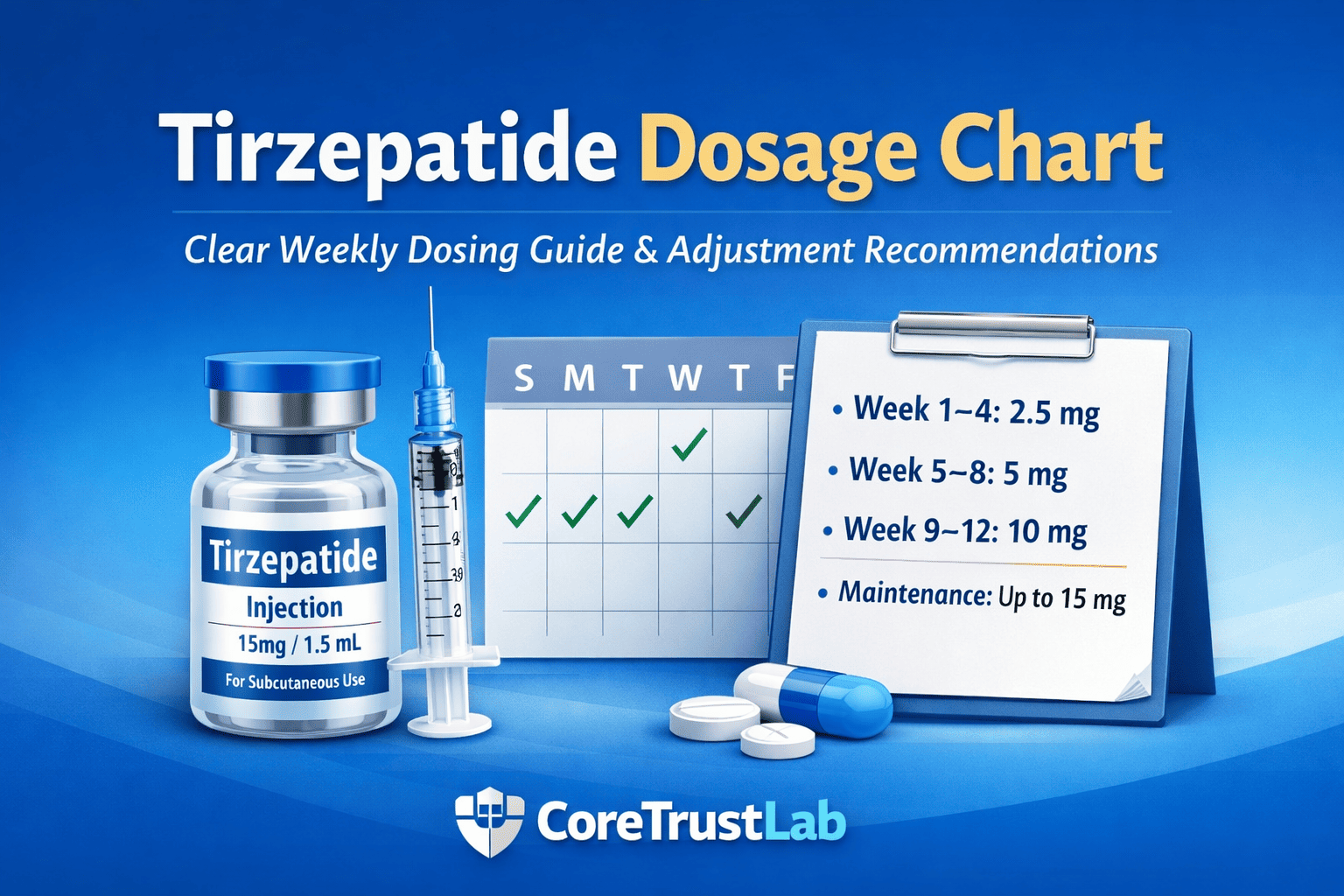
Here’s a week-by-week plan so you’ll know when and how doses usually change and what to expect at each step. This post breaks down standard titration schedules, slower approaches, and how doses differ for diabetes versus weight goals, so you can actually match a chart to your own situation.
The main thing to remember: a typical tirzepatide dosing chart shows slow, stepwise increases over several months to reach a maintenance dose and help minimize side effects. You’ll get simple dose levels, timing, and some practical tips for injections and storage so you can follow the plan safely—without feeling lost.
Keep this guide handy if you want an easy visual plan, quick troubleshooting ideas, or the right questions to ask your prescriber before changing doses. You’ll find clear examples and safety notes to help you adjust expectations and know when to call your healthcare team.
Key Takeaways
- Titration uses stepwise dose increases to reach a steady maintenance level.
- Doses and timing differ by treatment goal and need regular monitoring.
- Always talk with your prescriber about adjustments and safety before changing doses.
What Is Tirzepatide Dosage Chart?
A tirzepatide dosage chart lays out weekly dose steps, timing of increases, and common side effects at each dose. It usually notes adjustments for kidney, liver, or paired medications so you can track safe escalation and maintenance.
Purpose of the Chart
The chart helps you start tirzepatide safely and reach an effective maintenance dose. It lays out the typical week-by-week titration so you and your prescriber can avoid big jumps that often lead to nausea, vomiting, or dizziness.
You’ll use the chart to plan injections, watch for side effects, and decide when to pause or slow increases. It clarifies starting doses (like 2.5 mg weekly for most protocols), intermediate steps, and higher maintenance doses up to 10–15 mg weekly for diabetes and weight-loss regimens.
You can compare standard FDA-approved schedules to slower or microdosing approaches when tolerance is a concern. That makes it much easier to match the plan to your own health needs and lifestyle—no guesswork.
Who Should Use the Chart
If you’re starting tirzepatide, changing dose, or monitoring side effects, you’ll want this chart. Patients with type 2 diabetes or those using tirzepatide for weight management can use the schedule for planning injections and tracking progress.
Prescribers, nurses, and pharmacists use the chart to counsel you on expected timelines and safety checks. Care teams look at it when adjusting doses for kidney or liver issues, or when adding or stopping other glucose-lowering drugs.
Caregivers and family members can use the chart to help with injection timing and spot early side effects. If you have prior GI sensitivity or take interacting medicines, consider a slower titration (shown in some charts) and talk it over with your clinician.
Information Presented
Most charts show: starting dose, stepwise increases, timing (weeks per step), common side effects by dose, and target maintenance doses. You’ll see dose labels like 2.5 mg, 5 mg, 7.5 mg, 10 mg, and up to 15 mg weekly, with notes on when to hold or slow titration.
Look for special guidance on dose adjustments for renal or hepatic impairment, and interactions with insulin or sulfonylureas that might raise hypoglycemia risk. Good charts add practical tips: injection technique, storage, and when to seek medical help for severe side effects.
A clear visual (table or timeline) helps you track the exact week for each dose and record symptoms. Bring that record to follow-up visits to help your clinician decide if you should stay at a dose, increase, or tweak the plan.
Recommended Tirzepatide Dosage Levels
You’ll start low and increase gradually to reduce side effects while aiming for an effective maintenance dose. The typical path moves through fixed weekly dose steps over several weeks, with specific maximums approved for diabetes and weight management.
Initial Dosage Guidance
Start at 2.5 mg once weekly for most adults using prescription tirzepatide. This dose is for tolerance only and doesn’t give the full therapeutic effect yet.
Give the injection subcutaneously on the same day each week—any time of day works, with or without food. Rotate injection sites between abdomen, thigh, or upper arm to lower skin irritation risk.
If you have severe kidney or liver problems, tell your prescriber before starting. They’ll decide whether to begin at the same starting dose or adjust monitoring. Stop and seek care if you spot signs of a serious allergic reaction.
Dosage Escalation Schedule
Increase the dose every 4 weeks if you tolerate the prior dose and need more effect. A common FDA-based sequence is 2.5 mg → 5 mg → 10 mg → 12.5 mg → 15 mg, each step for at least 4 weeks.
Watch for nausea, vomiting, diarrhea, or appetite changes during escalation—these are common early side effects and usually get better with time.
If side effects hit hard, hold the current dose or step back to the previous one and contact your prescriber. Your provider might slow the titration, extend each step beyond 4 weeks, or stop escalation if the risks outweigh the benefits.
Maximum Approved Dosage
The typical maximum approved weekly dose for most indications is 15 mg. You only reach that 15 mg dose after safely tolerating lower steps.
Don’t go above the prescribed maximum unless your clinician tells you to. Higher off-label or compounded doses exist in some places, but honestly, they carry unproven benefit and higher risk.
Some patients just aren’t candidates for the highest dose. Your prescriber will review your medical history, other meds, and treatment goals before aiming for a top dose.
Maintenance Dosage Ranges
Most people stay on a maintenance dose between 5 mg and 15 mg weekly, aiming for the best balance of benefits and side effects. Many find good weight or glucose control at 10 mg or 15 mg, but some do fine with 5 mg.
Your clinician will assess weight change, blood glucose (if diabetic), tolerability, and side effects to pick the right maintenance dose for you.
If you stop treatment for more than a few weeks, your prescriber might restart you at 2.5 mg and re-titrate. Keep regular follow-up to adjust the maintenance dose as your response and health change.
Tirzepatide Dosage for Type 2 Diabetes
Tirzepatide is given once weekly and starts low to reduce side effects. Typical titration moves from 2.5 mg up to a chosen maintenance dose between 5 mg and 15 mg based on blood sugar control and tolerance.
Dosing Strategies for Glycemic Control
You begin with 2.5 mg once weekly for 4 weeks to build tolerance; this dose isn’t meant to lower glucose long term. After 4 weeks, increase to 5 mg once weekly.
If your A1c or fasting glucose remain above target, raise the dose in 2.5 mg steps every 4 weeks: 7.5 mg, then 10 mg, then 12.5 mg, up to a max of 15 mg weekly.
Watch for common side effects like nausea, vomiting, and decreased appetite as you advance doses. Slow increases help reduce these effects.
Use regular blood glucose checks during titration and coordinate changes with your clinician, especially if you use insulin or sulfonylureas to avoid hypoglycemia.
Adjustments for HbA1c Targets
Aim for individualized A1c goals your clinician sets, often <7.0% for many adults but higher or lower depending on age and other health issues. If your A1c drops enough on 5 mg, stick with that dose.
If A1c remains above target after 8–12 weeks on a stable dose, consider stepping up by 2.5 mg. If you get frequent low blood sugars after a dose increase, reduce or hold other glucose-lowering meds first (especially insulin or sulfonylureas) and re-evaluate.
For renal or hepatic impairment, the dosing schedule usually stays the same, but your provider will monitor you closely and make dose decisions based on tolerance or safety.
Tirzepatide Dosage for Weight Management
Tirzepatide usually starts at a low weekly dose and increases gradually to balance effectiveness and side effects. You’ll typically move from a starter dose up to a maintenance dose over several weeks under medical supervision.
Weight Reduction Goals
You and your clinician should set a clear target for weight loss, like a percent of body weight or a specific number of pounds. Typical goals in studies and practice include 5–15% body-weight loss over several months, but your goal might differ if you have diabetes, heart disease, or sleep apnea.
Dosing ties directly to goals. Most start at 2.5 mg once weekly for 4 weeks, then increase every 4 weeks until reaching an effective dose. Common maintenance doses for weight management are in the 5–15 mg weekly range; higher doses often produce more weight loss but also more side effects.
Track weight, appetite changes, and side effects every 4 weeks while titrating. If nausea or other adverse effects become severe, your provider may pause escalation, reduce the dose, or slow the titration schedule.
Considerations for Obesity
You should have a medical evaluation before starting tirzepatide. Important checks include body mass index (BMI), blood sugar, kidney and liver function, and medication interactions.
Tirzepatide is approved for chronic weight management in people with BMI criteria; your provider will confirm eligibility. Adjust titration if you have comorbidities.
- If you have type 2 diabetes, monitor blood glucose and adjust diabetes meds to lower hypoglycemia risk.
- If you have kidney or liver impairment, your clinician may use a slower increase and closer monitoring.
Watch for GI side effects and signs of dehydration. Follow-up visits every 4 weeks during dose increases help ensure safety and let you tailor the dose to your weight-loss response and tolerability.
Adjusting Tirzepatide Dosage
You might need to change your tirzepatide dose to balance benefits and side effects. Dose changes depend on how you tolerate treatment, your blood sugar or weight goals, and guidance from your prescriber.
Factors Affecting Dosage Adjustment
Your doctor will look at several concrete measures before changing your dose. For type 2 diabetes, they check fasting and post‑meal glucose, HbA1c trends, and hypoglycemia episodes.
For weight management, they review weight loss progress and any plateauing over 4–12 weeks. Side effects matter: persistent nausea, vomiting, or dehydration often prompt slowing or holding the increase.
If you get severe GI symptoms, your provider may reduce the dose or extend the titration interval (maybe staying at a current dose for another 2–4 weeks). Other reasons to adjust include low kidney function, interactions with other glucose‑lowering drugs, or planned surgery.
Your prescriber balances benefit and risk and gives you a clear plan for when to increase, hold, or stop.
Missed Dose Recommendations
If you miss a weekly dose, just take it as soon as you remember—if it’s within 3 days (72 hours). If more than 3 days have gone by, skip that dose and get back on your usual schedule with the next one.
Don’t double up doses to make up for a missed injection. Doubling doses ramps up side effect risks and could cause low blood sugar, especially if you use other diabetes meds.
If you miss several doses or stop for weeks, reach out to your prescriber. They might restart you at a lower dose and slowly work back up to help prevent stomach issues.
Special Populations
If you’re 65 or older, dose changes happen more gradually because dehydration and kidney issues are more likely. Your clinician might stretch out titration intervals and keep a closer eye on your kidneys and electrolytes.
People with kidney or liver problems usually titrate more slowly or get capped at lower doses. With severe renal failure or dialysis, your provider might tweak other meds instead of changing tirzepatide.
If you’re pregnant, planning to be, or breastfeeding, stop tirzepatide and talk options with your provider. Pediatric use is still limited—adolescents need a specialist to make dosing calls.
Tirzepatide Dosage When Combined With Other Medications
Tirzepatide can mess with your blood sugar response and how fast your stomach empties. Pay attention to low blood sugar risk, when you take doses, and whether you need to tweak other meds if you start or stop tirzepatide.
Interactions With Insulin
If you’re on insulin, tirzepatide can bump up your risk for hypoglycemia. Providers often lower your basal or mealtime insulin when you add tirzepatide.
Check your blood sugar more often for the first couple of months and after any dose changes. Watch for signs of low blood sugar: sweating, shakiness, confusion—don’t ignore them.
Keep some fast-acting carbs handy, just in case. If you use an insulin pump, talk to your clinician about temporary basal rate tweaks or changing your pump site. Never change your insulin dose on your own.
Have an emergency plan. If you’re at high risk for severe lows, keep glucagon nearby. Jot down any dose changes and share them with your care team.
Interactions With Oral Hypoglycemics
Tirzepatide plus sulfonylureas or meglitinides? That can really raise hypoglycemia risk. Your clinician might lower or stop those meds when you start tirzepatide.
Watch your glucose closely for several weeks after any changes. Metformin and SGLT2 inhibitors usually mix safely with tirzepatide, but you might notice more GI side effects or some dehydration.
If you’re taking alpha-glucosidase inhibitors, timing matters—tirzepatide slows your stomach, so carb absorption changes. Your clinician might adjust your dosing or meal plans.
If you feel dizzy, weak, or faint, don’t wait—report it. Keep your medication list up to date and let every prescriber know when you start, stop, or change tirzepatide.
Tirzepatide Dosage Chart Examples
Here’s a look at dose schedules you can compare. It lays out the usual weekly steps, common dose amounts, and how you might track side effects or changes.
Sample Weekly Dose Chart
This is a pretty typical FDA-based titration for Mounjaro (tirzepatide) in diabetes. Your prescriber might adjust it for weight loss or other reasons.
| Week | Dose (mg) | Notes |
| 1–4 | 2.5 mg | Start once weekly to reduce nausea. Monitor tolerance. |
| 5–8 | 5 mg | Increase if tolerated. Check blood glucose and side effects. |
| 9–12 | 7.5 mg | Continue weekly dosing. Report persistent GI symptoms. |
| 13–16 | 10 mg | Optional step for additional effect; prescriber decision. |
| 17+ | 12.5–15 mg | Max-dose range for some treatment plans; adjust per response. |
Stick to your prescriber’s plan. Don’t skip or change weeks unless they tell you to.
Visualizing Dosage Progression
Try using a simple graph or even a timeline to track dose changes and symptoms. Mark each week’s dose and jot down side effects, weight, and fasting glucose on the same chart. It makes it easier to see patterns and decide when to pause or slow down.
Example checklist:
- Week number and dose
- GI side effects: none/mild/moderate/severe
- Weight change (lbs or kg)
- Fasting glucose or A1c trend
Keep it short and consistent. Bring this chart to appointments—it speeds up dose decisions and helps document how you’re doing.
Safety and Monitoring During Dosage Changes
Keep an eye on symptoms as you increase the dose, especially if you have diabetes. Track GI symptoms, appetite, injection-site reactions, and any signs of low blood sugar. A simple daily log works well.
Monitoring Side Effects
It’s pretty normal to get nausea, diarrhea, constipation, or mild vomiting when you bump up the dose. These stomach issues usually pop up within days and tend to get better after a week or two—sometimes up to a month.
Eat smaller, bland meals and stay hydrated. Over-the-counter anti-nausea meds can help, but only if your clinician says it’s okay.
Check your injection site daily for redness, swelling, or lumps. Rotate where you inject to cut down on irritation. If skin reactions spread, get worse, or you see pus, call your clinician.
If you have diabetes, monitor your blood glucose more often for the first week or two after a dose change. Always keep fast-acting glucose (juice or tablets) close by and know how to treat lows. A weekly log of fasting and post-meal readings is handy to share with your prescriber.
Warning Signs During Titration
If you get severe or ongoing vomiting, dehydration, or can’t keep fluids down for more than a couple days, stop titrating and call your clinician. That stuff can mess with your electrolytes and needs attention.
Sudden, severe belly pain—especially if it shoots to your back—could mean pancreatitis. Tell your clinician right away; you might need blood tests or imaging.
Sharp pain in the upper right belly, fever, or jaundice? That could be gallbladder trouble. Also, report new or worsening vision problems, severe abdominal pain, unexplained weight loss beyond what you’d expect, or any signs of an allergic reaction like hives, swelling, or trouble breathing.
If you ever lose consciousness, have a seizure, or get really confused from low blood sugar, get emergency help fast.
Storage and Administration Tips
Store unopened pens in the fridge—between 36°F and 46°F (2°C–8°C). Once you start using a pen, you can keep it at room temperature (up to 77°F/25°C) for however long the manufacturer says. Don’t let pens get overheated or sit in direct sunlight.
Proper Handling of Tirzepatide
Always check the pen before you use it. Look for cracks, leaks, or cloudy liquid—don’t use it if it looks off or has particles floating in it.
Double-check the expiration date and make sure it says once-weekly dosing. Keep unused pens cold. After you open a pen, follow the instructions—some can stay at room temp for a certain number of days.
Toss used pens and needles in a sharps container that can’t be punctured. Don’t recap needles—just drop them straight in the disposal bin.
If you miss a dose, follow your prescriber’s advice or the pen’s instructions. Never double up. If you’re unsure about storage or handling, ask your pharmacist or clinic—they’ve seen it all.
Best Practices for Self-Injection
Pick a day each week for your shot so you don’t forget. Inject into your abdomen, thigh, or upper arm, and change spots each time to avoid lumps or skin issues.
Clean your skin with soap and water. Alcohol swabs are optional unless the area’s obviously dirty.
Use a fresh needle for every shot. If the pen needs priming before first use, do that. Dial in your dose and hold the needle in place for the full count (usually 5–10 seconds) to make sure you get the whole dose.
If you feel sharp pain, swelling, or have a bad reaction after the injection, get medical help right away.
Consulting Healthcare Providers
Talk to your prescriber before starting tirzepatide. Bring a list of current meds,medical conditions, and allergies so they can check for any problems.
Ask how the dosing schedule fits your goals and daily routine. Your provider might follow FDA titration for Mounjaro/Zepbound, or suggest a slower, compounded, or oral plan if that works better for you.
Discuss side effects and what to watch for—nausea, low blood sugar, injection-site reactions. Know when to call: severe stomach pain, signs of low blood sugar, or allergic reactions need quick attention.
Here are some questions to ask:
- What starting dose do you recommend and why?
- How and when will doses change?
- What side effects should I expect and how can I manage them?
Keep a simple log of doses, symptoms, and weight or blood glucose readings. Bring that info to check-ins so your provider can tweak your dose or give extra support.
If you use compounded tirzepatide or an oral version, make sure you understand storage, mixing, and dosing. Ask for written instructions and a demo if you’re injecting yourself—don’t just wing it.
Frequently Asked Questions
This section covers common questions about starting dose, stepwise increases, dose limits, titration, drug interactions, and what to do if you miss a dose. Use these to double-check your plan, adjust safely, and know when to get in touch with your clinician.
What is the recommended starting dose for Tirzepatide in the treatment of type 2 diabetes?
The usual FDA-approved starting dose for tirzepatide (for type 2 diabetes) is 2.5 mg once weekly by subcutaneous injection. Starting low helps cut down on early side effects while you get going.
Your prescriber will confirm the starting dose based on your health history, weight, and other meds.
How should Tirzepatide dosing be adjusted over time for optimal efficacy?
Clinicians typically raise the dose every 4 weeks, following the approved titration schedule. The steps usually go from 2.5 mg to 5 mg, then up to 7.5 mg, 10 mg, and higher if you need it and can tolerate it.
Dose increases depend on how your glucose and weight respond, plus any side effects. Your provider will weigh the benefits and side effects before each bump up.
Are there maximum dosage limits for Tirzepatide that patients should not exceed?
Most product labels set a max weekly dose—usually 15 mg for some versions, sometimes up to 20 mg for others, depending on what you’re using it for. Don’t go over the max dose listed for your specific product.
Your prescriber will tell you the target maintenance dose for your situation.
What are the guidelines for titrating Tirzepatide doses based on individual patient response?
If you’re getting hit with nausea, vomiting, or diarrhea, titrate slowly. Don’t increase until those side effects settle down or improve.
If your blood sugar and weight goals aren’t met and side effects aren’t bad, clinicians might keep stepping up the dose. If you get side effects you can’t handle, lower the dose or pause and talk it over with your provider.
Can Tirzepatide dosages vary based on concomitant medications or comorbid conditions?
Yes, they can. Some medicines for diabetes—like insulin or sulfonylureas—raise your risk for hypoglycemia when you take them with tirzepatide.
In those cases, your doctor might need to adjust the doses of those drugs. If you have kidney or liver disease, things get a bit trickier and you’ll probably need closer monitoring or changes in your dosing plan.
Make sure you tell your clinician about every prescription, over-the-counter, or herbal product you take. That’s the only way they can safely adjust your doses and avoid surprises.
What steps should be followed if a dose of Tirzepatide is missed?
If you miss a weekly dose, just take it as soon as you remember—assuming it’s still within the same week.
But if your next scheduled dose is coming up in the next 48 to 72 hours, it’s better to skip the missed dose and stick with your regular dosing day.
Don’t try to double up and take two doses in one week to catch up. That won’t help, and honestly, it could make things worse.
If you’ve missed more than one dose or you’re feeling confused about what to do next, reach out to your healthcare provider. Better safe than sorry, right?