Address
30 N Gould St.
Suite R, Sheridan, WY 82801, USA

Semaglutide Side Effects: What to Expect, Manage, and When to Seek Help

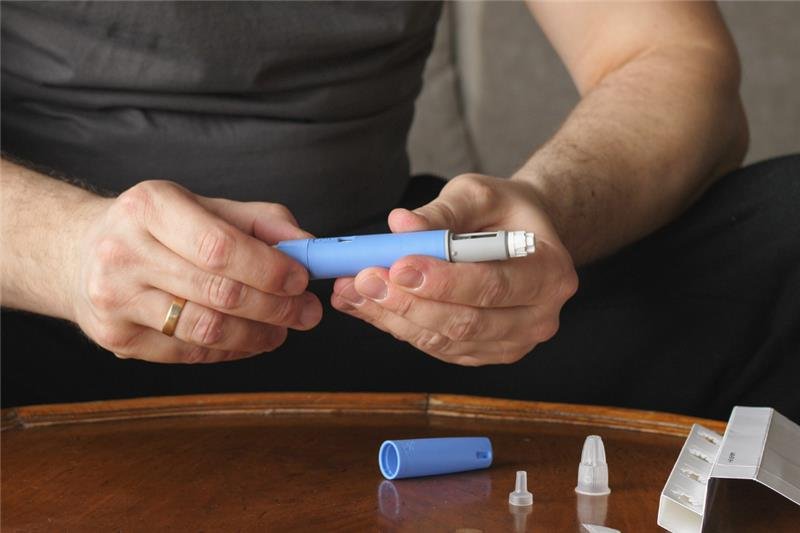
Semaglutide can upset your stomach, sometimes just mildly, but rarely it can trigger serious issues like pancreatitis or thyroid problems. It’s worth knowing both the usual symptoms and the rare warning signs so you can use semaglutide more safely and make smarter decisions with your healthcare team.
You might be using semaglutide for diabetes, weight loss, or just thinking about it. Here, you’ll find the common side effects, the rare but dangerous ones, tips for easing discomfort, and when it’s time to call your doctor.
Key Takeaways
- Most side effects hit your gut and usually get better with time or dose tweaks.
- Some rare reactions are serious and call for fast medical help.
- Chat with your prescriber about risks, drug interactions, and ways to handle symptoms.
Common Semaglutide Side Effects
When you start semaglutide, expect a few predictable reactions. Most people feel some stomach upset, less hunger, or mild headaches, and sometimes a bit of redness at the injection spot.
Gastrointestinal Reactions
Nausea, vomiting, diarrhea, and constipation show up most often. Nausea usually kicks in within a few days of your first dose and eases up over 2–8 weeks as your body gets used to it.
If your provider bumps up your dose too quickly, the symptoms might return or get worse. Smaller meals, skipping greasy or spicy foods, and staying hydrated can really help.
Some folks use over-the-counter anti-nausea meds or take semaglutide with a light snack (but only if your provider says that’s okay). If you get severe vomiting, dehydration, or see blood in your stool, call your doctor.
Appetite Changes
Semaglutide lowers your hunger and can even change what foods you want. You might fill up faster, eat less, and crave fewer sweets—honestly, that’s the whole point for weight loss.
Sometimes, appetite loss feels too strong and you wind up with low energy or dizziness. Track your food and weight so your provider can adjust your dose or give nutrition tips. If you can’t eat enough or lose weight too quickly, it’s time to reach out.
Headache and Dizziness
Headaches and feeling lightheaded hit some people, especially early on or after dose increases. These might come from eating less, dehydration, or shifts in blood sugar.
Drinking water and getting up slowly can help. If you have diabetes, check your blood sugar more often since semaglutide can mess with glucose and make dizziness worse. Let your clinician know if headaches stick around, get worse, or don’t get better with simple fixes.
Injection Site Reactions
You’ll inject semaglutide under your skin once a week. Redness, itching, pain, or tiny lumps at the injection site are pretty common, but usually fade after a few days.
Switch up injection spots—thigh, belly, upper arm—to avoid irritation. A cool compress eases pain or swelling. If you see spreading redness, warmth, pus, or start running a fever, get medical help for possible infection.
semaglutide first week symptoms
In the first week, nausea, mild stomach upset, and less appetite are the usual suspects. Many people also feel a bit tired, slightly dizzy, or get mild headaches at first.
Symptoms usually peak right after the first dose and fade over 1–4 weeks for most. If you have severe vomiting, can’t keep fluids down, faint, or have pain you can’t handle, call your provider. They might slow down your dose ramp-up or offer other ways to help. Keeping a daily log of symptoms, food, and weight can be super helpful at follow-ups.
Serious and Rare Side Effects
These side effects don’t happen often, but when they do, they’re no joke. If you get sudden, intense symptoms, seek care fast.
Pancreatitis and Gallbladder Issues
Pancreatitis brings steady, severe belly pain that sometimes spreads to your back. You might also feel nauseous, throw up, run a fever, or notice a racing pulse. If that happens, stop taking semaglutide and get emergency help right away.
Semaglutide can also up your risk of gallbladder problems like gallstones or cholecystitis. Watch for sharp pain in the upper right belly, fever, or yellowing skin and eyes. Let your doctor know if you have a history of gallstones, rapid weight loss, or recurring gallbladder pain.
Your doctor might check your pancreatic enzymes or order scans if you have these symptoms. Don’t try to figure it out yourself—these need real medical tests and treatment.
Kidney Function Impairment
Vomiting or diarrhea from semaglutide can make you dehydrated, which sometimes hurts your kidneys. Signs include peeing less, swelling, dizziness, or confusion, especially if you already have kidney problems or take diuretics.
If you’re sick with nonstop vomiting or diarrhea, get medical care to prevent kidney injury. Your clinician might check your bloodwork and adjust meds or pause semaglutide until you bounce back.
Stay hydrated and let your provider know if GI symptoms won’t quit. Early action usually keeps kidney issues from getting worse.
Thyroid Tumors and Cancer Risk
Animal studies linked semaglutide to thyroid C-cell tumors, but in humans, the risk looks low and isn’t proven. If you or your family have medullary thyroid carcinoma (MTC) or multiple endocrine neoplasia type 2 (MEN2), steer clear of semaglutide unless a specialist says otherwise.
Check for neck lumps, trouble swallowing, hoarseness, or a sore throat that won’t quit. If you notice those, let your doctor know so they can check your neck and maybe order imaging or blood tests for calcitonin.
Your prescriber should go over your thyroid history before you start semaglutide and keep an eye out for any risk factors.
Long-Term Effects of Semaglutide
Semaglutide changes how your body handles glucose, appetite, and weight over months or even years. Some side effects fade after a few weeks, but others stick around and need your clinician’s attention.
Metabolic Changes
Semaglutide lowers blood sugar by boosting insulin after meals and slowing how fast your stomach empties. For people with type 2 diabetes, it often drops A1C by about 1% over time. You might see fewer glucose spikes, but your provider will probably tweak your other diabetes meds to avoid hypoglycemia.
Nausea and an upset stomach pop up early on. Many folks report nausea in the first week or two, and it often gets better after a dose increase or within a month. If it doesn’t let up after a few months, tell your clinician—long-lasting stomach slowing can mess with how you absorb meds and nutrients.
Semaglutide can also shift insulin sensitivity and fasting glucose over time. Clinical trials show improved metabolic numbers, but honestly, we’re still waiting to see how long those changes last after stopping the drug.
Weight Loss Sustainability
Semaglutide leads to serious weight loss in the first 12–20 weeks for many people. You might lose 10% or more of your body weight at higher doses, but weight often comes back when you stop the drug.
To keep the pounds off, you’ll need to stick with lifestyle changes and—yep—sometimes the medication, too. Early weight-loss effects—appetite loss and taste changes—show up in the first week. If you stop semaglutide, your appetite usually returns and weight can creep back up within months. Work with your care team for a long-term plan that covers diet, exercise, and what to do if you want to stop the drug.
Rapid weight loss can sometimes trigger gallbladder problems. If you get bad belly pain or nausea that won’t go away, call your doctor right away—these could mean gallstones or pancreatitis and need quick attention.
Cardiovascular Health Impact
Clinical trials show semaglutide cuts down on major heart events in people with type 2 diabetes and high heart risk. That means fewer heart attacks, strokes, and even deaths in certain groups over several years.
You’ll still need to keep tabs on blood pressure, cholesterol, and kidney function while taking semaglutide. The drug can help lower some risk factors, mostly through weight loss and better glucose control. But your personal benefit depends on your heart risk and what else you’re taking.
If you ever get severe, ongoing belly pain or sudden, worsening nausea and vomiting, seek medical care. Your clinician will weigh the heart benefits against the possible risks to decide if semaglutide fits your needs.
Drug Interactions and Contraindications
Semaglutide can mess with how other drugs work and might worsen certain health issues you already have. It’s important to know which meds raise your risk for low blood sugar, slow stomach emptying, or bump up rare risks like pancreatitis and thyroid problems.
Interactions With Other Medications
Semaglutide slows your stomach down, which can change how you absorb oral drugs like metformin, antibiotics, or hormonal birth control. Your doctor might need to check drug levels or adjust doses for meds with tight dosing windows, like warfarin or antiseizure drugs.
Taking semaglutide with insulin or sulfonylureas raises your risk of low blood sugar. Expect your clinician to lower those doses and show you how to spot and treat hypoglycemia.
Some meds that affect the pancreas or gallbladder can make pancreatitis or gallstones more likely with semaglutide. Let your provider know about any supplements, over-the-counter meds, or alcohol use to avoid nasty surprises.
Pre-Existing Medical Conditions
Don’t take semaglutide if you or a close family member has had medullary thyroid carcinoma (MTC) or multiple endocrine neoplasia type 2 (MEN2). Animal studies and real-world reports link GLP-1 agonists to thyroid C-cell tumors.
If you’ve had pancreatitis, gallbladder issues, or serious GI diseases (like gastroparesis or IBD), talk risks over with your provider. Semaglutide can make nausea, vomiting, and slow stomach emptying worse, which isn’t great for those conditions.
Kidney problems can worsen if you get dehydrated from vomiting or diarrhea while on semaglutide. Your clinician might check your kidney function and tweak other meds that impact your kidneys, like ACE inhibitors or NSAIDs.
Managing and Minimizing Side Effects
You can head off most semaglutide side effects by keeping in touch with your doctor and making some lifestyle tweaks. Pay attention to dose timing ,hydration, meal size, and keep a symptom log—it really helps.
Medical Monitoring and Doctor Consultations
Check in with your prescriber before starting, changing, or stopping semaglutide. They’ll usually set up a slow titration plan to minimize nausea and vomiting. You might need baseline bloodwork—kidney, liver, fasting glucose—especially if you have diabetes.
Report any severe or lasting belly pain, sudden weight loss, jaundice, or signs of pancreatitis or gallbladder trouble right away. If you have a thyroid cancer history, discuss it—semaglutide carries a warning and might not be for you.
Keep a log with dates, meals, and meds. Bring it to follow-ups so your clinician can adjust your dose, suggest anti-nausea meds, or change your treatment if needed.
Lifestyle Adjustments
Try eating smaller, more frequent meals instead of the usual three big ones. Five or six lighter meals a day can help, and it’s smart to skip high-fat or spicy foods since those often trigger nausea.
Keep sipping water throughout the day to stay hydrated. After vomiting or diarrhea, replace lost fluids, but steer clear of alcohol—it just makes dehydration and low blood sugar more likely.
Gentle movement after meals, like a short walk, really helps digestion and usually won’t make nausea worse. If constipation hits, add fiber or a stool softener, and slowly up your intake of fruits and fluids.
Try to time any other stomach-upsetting medications so they don’t overlap with your semaglutide shots. If you notice nausea peaking after your injection, plan meals for a calmer time and only use anti-nausea meds when your clinician says it’s necessary.
When to Seek Medical Attention
If you suddenly get severe belly pain, faint, struggle to breathe, or show signs of a serious allergic reaction, get help right away. For ongoing nausea, blurry or worsening vision, or rapid swelling, reach out to your prescriber or clinic as soon as you can.
Warning Signs and Severe Symptoms
Stay on the lookout for severe abdominal pain that starts suddenly or keeps getting worse. That could mean pancreatitis or gallbladder trouble.
If vomiting sticks around, or you get a fever or notice your skin or eyes turning yellow, call your doctor immediately. If you’re taking other diabetes meds along with semaglutide, watch for signs of low blood sugar—things like confusion, sweating, or shakiness.
Sudden vision changes need a quick check by your eye doctor. Also, pay attention to a racing heartbeat, new shortness of breath, or chest discomfort—those could signal a serious reaction.
Rapid swelling of your face, lips, tongue, or throat is a red flag for airway blockage. That’s an emergency, so don’t wait.
Emergency Response Steps
If you think you’re having a life-threatening reaction, call emergency services right away. Let responders know you’re taking semaglutide so they can factor that in.
For suspected pancreatitis or gallbladder issues, stop the medication and head to the emergency department. Bring along a list of your medicines, recent doses, and any relevant medical records if you can find them.
If someone loses consciousness, struggles to breathe, or shows signs of anaphylaxis (wheezing, swelling, hives), use an epinephrine auto-injector if you have one and get emergency help immediately.
For urgent but not life-threatening issues—like severe nausea, dehydration, or low blood sugar—call your clinic or urgent care. Follow their instructions about holding doses, changing meds, or getting IV fluids if they recommend it.
Considerations for Special Populations
Semaglutide affects pregnancy, breastfeeding, and older adults in unique ways. Weigh the risks, keep a close eye on things, and talk with your clinician about timing and alternatives.
Use in Pregnancy and Breastfeeding
Don’t use semaglutide if you’re pregnant or trying to get pregnant. Animal studies found harm to developing fetuses, and there’s barely any safety data in humans.
If you get pregnant while on semaglutide, stop the drug and contact your healthcare provider right away to talk about the next steps. Breastfeeding data is also pretty limited, but semaglutide may pass into breast milk, and no one really knows what that does to a nursing baby.
Your clinician might recommend avoiding breastfeeding while on semaglutide or suggest pausing the medicine and switching to other weight- or glucose-management strategies until you’re done nursing.
Key actions:
- Check your pregnancy status before starting semaglutide.
- Use reliable birth control during treatment.
- Let your provider know immediately if you become pregnant or plan to breastfeed.
Elderly Patients
Older adults run a higher risk of dehydration, low blood sugar (especially if also using insulin or sulfonylureas), and dizziness-related falls. Start at the lowest dose and go up slowly, watching kidney function and hydration along the way.
Nausea and vomiting can cause weight loss and mess with electrolytes, especially for frail elders. Keep tabs on weight, appetite, and blood pressure when standing up.
Adjust other diabetes meds to lower the chance of hypoglycemia, and maybe schedule more frequent check-ins during dose changes.
Practical steps for you:
- Review all your meds for hypoglycemia risk.
- Check kidney function before and during therapy.
- Report ongoing nausea, dizziness, or quick weight loss to your clinician.
Comparing Semaglutide Side Effects to Other GLP-1 Agonists
Honestly, semaglutide tends to cause more GI side effects than a lot of other GLP-1 drugs. Nausea, vomiting, diarrhea, or constipation show up more often, especially when you’re starting or increasing the dose.
Tirzepatide (that’s the dual GLP-1/GIP drug) brings similar stomach issues. Some studies say it’s about as effective as semaglutide for weight loss, but it can match or even top the GI side effects. It’s the same pattern: side effects hit hardest in the beginning and usually fade as you keep going.
Liraglutide and dulaglutide, two other GLP-1 agonists, usually cause fewer or milder GI symptoms for most folks. How often you inject and the dose size can make a difference—once-weekly shots may be easier for some people to handle.
Key differences at a glance:
- GI symptoms: semaglutide ≥ tirzepatide > liraglutide/dulaglutide (in most cases).
- Weight-loss effect: semaglutide and tirzepatide come out on top.
- Other risks: Losing weight too quickly can mess with your gallbladder; rare cases of pancreatitis show up across the whole class.
If you’ve had gallbladder disease or pancreatitis before, definitely mention it to your clinician before starting any GLP-1 drug. They’ll help you find the option that best balances benefits and side effects for you.
Frequently Asked Questions
This section breaks down common side effects, weight changes ,serious risks, digestive problems ,allergic signs, and a few simple ways to manage symptoms. Skim the questions for practical info you can use—or bring up with your clinician if you’re unsure.
What are the common adverse reactions individuals may experience when taking Semaglutide?
Most people notice nausea, vomiting, diarrhea, or constipation when they start semaglutide. Other common effects: appetite drops, belly pain, and indigestion.
These usually pop up early and tend to ease off after a few weeks as your body adjusts. If symptoms just won’t quit or get worse, reach out to your clinician.
Can Semaglutide use lead to significant weight changes?
Yes, it can. Semaglutide often leads to weight loss by cutting appetite and slowing how fast your stomach empties.
Most people using it for diabetes or weight management lose a noticeable amount over weeks or months. Weight loss depends on your dose, how long you’re on it, and your own biology.
If you’re dropping too much weight or not enough, talk with your provider about tweaking your plan.
Are there any severe risks associated with long-term use of Semaglutide?
Serious but rare risks include pancreatitis and gallbladder problems. Animal studies link GLP-1 drugs to certain thyroid tumors, but the risk in people isn’t clear—though it might be higher if you or your family have a history of medullary thyroid cancer.
Let your clinician know if you or anyone in your family has had thyroid cancer or multiple endocrine neoplasia. They might monitor you more closely or suggest a different treatment.
Is there a risk of gastrointestinal issues when using Semaglutide?
Definitely. GI symptoms are the most common side effects—nausea, vomiting, bloating, and slower stomach emptying.
These can mess with blood sugar control and how well you tolerate the medicine. If you get severe dehydration, can’t stop vomiting, or just can’t keep fluids down, report it right away.
What are the signs that indicate an allergic reaction to Semaglutide?
Look for hives, rashes, swelling of the face, lips, tongue, or throat, and trouble breathing. Severe allergic reactions are rare, but they do happen.
If you notice any of these, get emergency care immediately. Also let your clinician know if you get new rashes or swelling after a dose.
How should one manage side effects when undergoing treatment with Semaglutide?
Start at the lowest recommended dose. Increase slowly to keep nausea and other GI symptoms in check.
Try eating smaller meals. Skip high-fat foods and drink plenty of water—it really does help with those digestive side effects.
Some folks reach for over-the-counter remedies like anti-nausea meds, but it’s smart to check with your clinician first.
If you suddenly get severe pain, notice signs of pancreatitis or gallbladder trouble, have an allergic reaction, or lose weight way too fast, stop the drug and get medical help right away.