Address
30 N Gould St.
Suite R, Sheridan, WY 82801, USA

How to Store Tirzepatide Properly: Essential Guidelines for Safe Handling and Storage

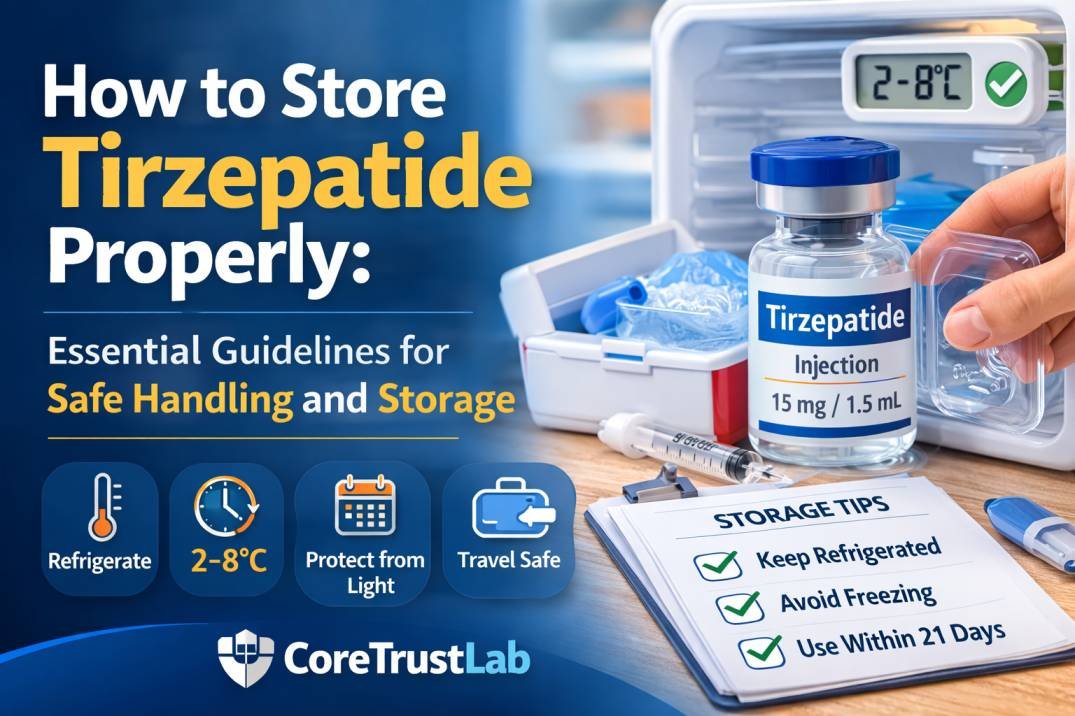
You really need to keep tirzepatide cold for it to work. Store unopened pens in the fridge, and if you open one, keep it cold or use it within the time the manufacturer says. Keep unopened tirzepatide in the fridge and follow the product’s time-at-room-temperature rules for opened or in-use pens to protect the dose.
Let’s go over some easy habits to store, handle, and travel with tirzepatide so your doses stay safe and do what they’re supposed to. Even small mistakes—like leaving a pen out too long—can mess with its effectiveness.
Key Takeaways
- Store unopened tirzepatide in the refrigerator at the recommended temperature.
- Follow the allowed room-temperature time for opened or in-use pens.
- Check appearance and dates, and toss pens that are damaged or expired.
Understanding Tirzepatide Storage: Does It Need Refrigeration?
Tirzepatide needs cool storage. It’s temperature-sensitive, so you should keep it cold most of the time, though a bit of room-temperature exposure is okay if you stick to the limits.
Recommended Temperature Range
Keep tirzepatide refrigerated between 36°F and 46°F (2°C and 8°C). This range keeps the drug stable and stops it from breaking down. The main fridge shelf works best—avoid the door, since temps can swing a lot there.
If you need to carry a dose, you can keep an unused pen or vial at room temp up to 77°F (25°C) for a limited time—check your label for the exact number of days. Never freeze it. If a pen or vial freezes, just don’t use it—get a replacement.
Use an appliance thermometer to double-check your fridge’s temperature. Keep tirzepatide in its original carton to shield it from light and sudden changes in temperature.
Shelf Life
Unopened tirzepatide pens or vials last in the fridge until the expiration date printed on them. Once you start using a pen or leave it out at room temperature, the clock starts ticking—follow the product label for how many days you’ve got left.
Write the date you first open a pen or take it out of the fridge right on the carton or pen with a marker. That way you won’t lose track. Throw out any product past its labeled day-count or expiration date.
If the manufacturer says to, store opened pens upright. Don’t use tirzepatide that looks cloudy, weirdly colored, or has particles floating around.
Official Manufacturer Guidelines
Always follow the specific instructions from the manufacturer, printed on the carton and in the patient leaflet. Each product (Mounjaro, Zepbound, etc.) has its own storage rules, including how long it can be at room temperature and when to toss it.
The label tells you the fridge range, how long an opened or unrefrigerated pen is stable, and what to do if it’s been frozen. If you’re ever unsure, trust the manufacturer’s directions and ask your pharmacist or prescriber for help.
Hang onto the original packaging and any inserts about temperature or handling. Bring them along if you travel or go to a healthcare appointment.
Proper Storage Conditions for Tirzepatide at Home
Store tirzepatide in a cool, steady spot—don’t let it freeze, get hot, or sit in bright light. Keep it in the original carton and label so you can check instructions and dates fast.
Refrigeration Best Practices
Stick unopened pens or vials in the fridge at 2°C to 8°C (36°F to 46°F). The middle shelf is best—keep it away from the freezer and the door to avoid temperature swings.
The original carton protects the product from light and keeps the label handy. If a pen freezes, don’t use it; mark it and toss it safely according to pharmacy advice.
When you take a pen out, put unused ones back in the fridge quickly. Write the date on the carton when you take a pen out so you don’t get mixed up. Avoid storing tirzepatide near spots that might freeze or heat up, like the freezer door or by the oven.
Room Temperature Storage Limits
You can keep a pen or vial at room temperature for a limited time after first use. For a lot of brands, that’s up to 21 days, but check your specific product’s label to be sure.
Don’t go past the stated room-temperature window. High temps—over about 30°C (86°F)—can mess up the drug. If you leave a dose out too long, don’t use it; call your pharmacy for a replacement.
If you’re traveling, pack pens in an insulated bag with cold packs if it’s going to be warm. Just don’t put the pens right on ice—use a barrier so they don’t freeze.
Protecting From Light
Keep tirzepatide in its original carton to block out bright light. Store the carton in a darker fridge section or a closed container if you’re keeping it at room temp.
Don’t use clear containers that let sunlight or strong indoor lights hit the pens. If the solution looks off—discolored, cloudy, or with particles—don’t use it. Call your pharmacist if you’re unsure.
Label the storage spot so people at home know not to move or mess with the medication. Check the carton regularly for expiration dates or storage notes from the manufacturer or pharmacy.
Handling Opened and Unopened Tirzepatide
Store unopened pens cold. Use opened pens within the allowed time at room temperature. Keep everything in the original box, protect from light, and don’t use pens that look cloudy or damaged.
Unopened Pen Storage
Keep unopened pens in the fridge at 36°F to 46°F (2°C to 8°C). Use the main fridge area, not the door, to keep the temperature steady.
Leave pens in the original box to block light and reduce temperature swings. If a pen freezes, don’t use it—call your pharmacy.
If you need to travel with an unopened pen, use an insulated cooler pack that keeps it between 36°F–86°F (2°C–30°C). Keep travel time short and return the pen to the fridge as soon as you can.
Opened Pen Handling
Once you use a pen, you can keep it at room temperature (up to 86°F / 30°C) for the time your product allows—often up to 21 days. Or, just keep it in the fridge; check your label for the maximum time.
Always look over the pen before injecting. Check for color changes, cloudiness, particles, or any damage. If something looks wrong, toss it and get a new pen.
Write the open date on the pen. Use one pen per person—never share. Follow your area’s rules for getting rid of sharps and used pens.
Avoiding Cross-Contamination
Use a new, sterile needle every time. Never reuse needles or share pens, even if you swap out the needle—bacteria or blood can get inside.
Clean the injection site as directed and don’t touch the needle. Store pens in a clean spot, away from pets, kids, and food.
If a pen touches anything not sterile, throw it out. Keep a special container for used pens and needles, and follow your local rules for disposing of medical waste.
Traveling With Tirzepatide
Keep tirzepatide cool, protected, and easy to reach when you travel. Pack your documentation and use a temperature-controlled case. Plan ahead for TSA and time-zone changes.
Safe Transport Techniques
Bring the original prescription label and a note from your prescriber listing the medication and stating it’s injectable. Keep these in your carry-on, not checked luggage.
Use a sturdy travel case or insulated pouch for your pen or vial. Pack pens upright between cold packs wrapped in cloth—don’t let them freeze. Bring extra sterile needles or pens if needed.
Stick a small thermometer or travel data logger in the case so you can check the temp. Keep the case inside the plane cabin, under the seat or in the overhead bin—never in checked bags. At hotels, use the room fridge only if it’s cold enough and you’ll use the medication soon.
Managing Temperature During Travel
Unopened pens: keep them cold at 2–8°C (36–46°F) when you can. If there’s no fridge, most products allow some time at room temp—double-check the product leaflet for specifics.
In-use pens: when you start one, note the maximum room-temperature time and don’t go over. If you’re using ice packs, wrap them so the pen stays cool but doesn’t touch anything frozen.
On flights, keep the case away from direct sunlight or heat vents. For long trips, change out cold packs every 8–12 hours or use gel packs that hold the right temp. If you think the medication froze or got too hot, get a new dose before using it.
Signs of Improperly Stored Tirzepatide
Check each pen or vial carefully and notice if the medication isn’t working as well. Look for visual changes, strange particles, or weaker blood sugar and weight results after using it.
Visual Inspection
Hold the pen window or vial up to a light background. The solution should look clear and colorless to slightly pale. Any cloudiness, darkening, or visible particles (flakes, fibers, or crystals) means you shouldn’t use it.
Check the pen’s casing and label for cracks, leaks, or frozen spots. If the cartridge looks separated, foggy, or clumpy, toss it. Also peek at the needle area and cap—moisture, rust, or sticky residue is a red flag.
If the expiration date is past or the storage label says it’s been outside 2–8°C (36–46°F) for too long, treat it as compromised. When in doubt, call your pharmacy or provider before injecting.
Changes in Effectiveness
Keep an eye on your blood glucose and weight trends after a dose change or when you start a new pen. If your fasting or post-meal glucose jumps by 20–30 mg/dL (1.1–1.7 mmol/L), or your usual weight loss stalls even with correct dosing, the drug might’ve lost potency.
Track side effects too. If your appetite suddenly isn’t suppressed, or you stop feeling the usual nausea, that could mean it’s not working right. Jot down a quick log for a few days to compare different pens or batches.
If you think it’s not working, stop using the pen and tell your prescriber or pharmacy. They’ll help you figure out next steps or get you a replacement.
Disposal of Expired or Damaged Tirzepatide
Get rid of expired or damaged tirzepatide so no one else can use it and it won’t mess with the environment. Local rules matter, but if you can’t find a take-back option, you’ll need to handle it safely at home.
Safe Disposal Methods
If your pharmacy or clinic has a medicine take-back program, just bring the pens or vials there. That’s honestly the easiest and safest way—staff know what they’re doing and follow the law for sharps and leftover meds.
No take-back program nearby? The FDA has an at-home method you can use:
- Take the pen or needle out of use and leave the cap on.
- Mix the pen or vial with something gross, like coffee grounds or kitty litter, in a strong, sealable container or a thick plastic bag.
- Seal it up and toss it in your household trash.
Don’t flush tirzepatide down the toilet unless the label or your local rules say it’s okay. Keep all used pens and needles away from kids and pets. If your area requires it, mark the trash container for sharps.
Environmental Considerations
Don’t pour unused tirzepatide down the drain or into the dirt. Those drug leftovers can sneak into water systems and hurt wildlife. Most home wastewater plants can’t really filter out these biologic drugs.
Have a bunch of unused product? Ask your pharmacy, prescriber, or local hazardous-waste folks for advice. They might point you to a disposal event or a facility that handles this stuff the right way.
If you’re tossing it at home, pick a tough container and seal it tight so nothing leaks. And don’t put sealed medication bags in the recycling—just stick to the trash, unless your area says otherwise.
Common Mistakes to Avoid in Tirzepatide Storage
Leaving pens or vials at room temperature for too long is a classic mistake. Unopened tirzepatide needs to chill between 36°F and 46°F (2°C–8°C).
Letting it sit out past the allowed time? You’ll probably lose potency. Don’t store pens right up against the freezer wall or near the ice maker—freezing ruins the medication and makes it unsafe.
Keep pens in their original box to shield them from light. Extreme heat and direct sunlight? Big no. High temps break down the drug faster.
If you’re traveling, use a cooler pack and keep an eye on the temperature. Never use a pen or vial that looks cloudy, odd-colored, or has particles floating around. That usually means it’s damaged from bad storage.
When in doubt, throw it out and get a replacement. Forgetting to check labels and expiration dates is risky. Jot down the date you open the pen on the label so you don’t lose track.
Manufacturers usually say how long a pen is good after you first use it—stick to that. Don’t mix up storage rules between brands. Mounjaro and Zepbound might seem similar, but they have specific instructions.
Always read the patient leaflet for your exact product. Avoid temperature swings—moving pens from hot to cold over and over shortens their shelf life.
Store them in a steady spot inside the fridge, not in the door. And of course, keep pens out of reach of kids and pets. You don’t want anyone getting into them or ruining a dose.
Frequently Asked Questions
Keep tirzepatide in the fridge between 36–46°F (2–8°C) when you’re not using it. If you need to take it with you, use an insulated bag and a cold pack (but don’t freeze the pens or vials).
What are the recommended storage conditions for tirzepatide once dispensed?
Store unopened tirzepatide in the fridge at 36–46°F (2–8°C). Leave it in the original carton to protect it from light and moisture.
After you use it the first time, some versions let you keep it at room temperature for a set period. Double-check the product label for your pen or vial to see if that applies.
Is refrigeration necessary for tirzepatide before first use?
Yes, you really do need to refrigerate it at 36–46°F (2–8°C) before using, just like the manufacturer says. Don’t let unopened pens or vials get warmer than that.
If the pharmacy gives you a pen that’s been at room temperature but still within the limit, check the label and ask your pharmacist for written instructions, just to be sure.
How long can tirzepatide be kept at room temperature?
That depends on the product. Most let you keep it at room temp once, for 14–30 days—check your label for the exact window.
Don’t go past the allowed room-temperature time. Heat, light, or humidity can break it down faster and make it less effective.
What steps should be taken if tirzepatide is accidentally frozen?
If tirzepatide freezes, don’t use it. Freezing messes with the medicine’s structure and can make it unsafe or just not work right.
Toss out any frozen pens or vials and get new ones. Reach out to your pharmacy or prescriber for advice and replacement options.
Can tirzepatide be used after the expiration date if it has been stored properly?
Nope, don’t use tirzepatide after the expiration date, even if you stored it perfectly. You just can’t trust the potency or safety after that point.
Get rid of expired pens or vials according to local disposal rules, or bring them to a pharmacy take-back program if you can.
Are there any special handling instructions for tirzepatide during travel?
Keep tirzepatide in an insulated cooler or travel case with cold packs, but make sure the packs don’t freeze the medication. A thermometer pack can help, or you could just ask your pharmacist for one of those approved travel containers—they usually know what’s best.
Bring a copy of your prescription and storage instructions, plus a doctor’s note if you’re going through security. Try not to leave the medication in a hot car or anywhere it might get direct sunlight, just to be safe.