Address
30 N Gould St.
Suite R, Sheridan, WY 82801, USA

How Long Does It Take for Semaglutide to Suppress Appetite — Timeline, Expectations, and Factors

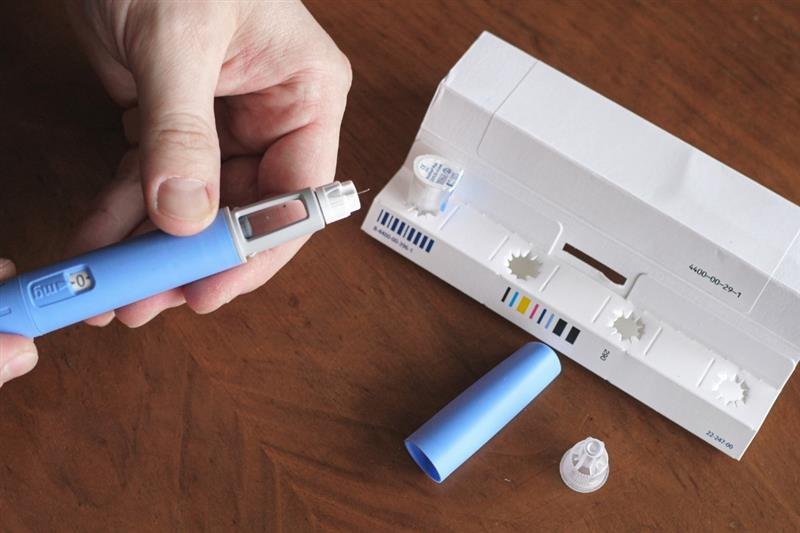
You might notice less hunger within a few weeks. Most people feel clear appetite suppression by weeks 3–8, and the effect often gets stronger after that.
Some folks feel changes as early as 1–2 weeks. Others need 6–8 weeks or even longer before hunger noticeably eases.
As you follow the dose schedule, your body adjusts at its own pace. Watch for signs like smaller portions feeling filling, fewer cravings, or just eating more slowly.
Key Takeaways
- Appetite often drops within weeks, but timing is personal.
- Early signs: smaller portions and fewer cravings.
- Dose, metabolism, and other factors affect how quickly you notice changes.
Understanding Semaglutide’s Effects on Appetite
Semaglutide changes how your brain and gut talk about hunger and fullness. Appetite usually shifts over days to weeks, with stronger effects after you stick with the medication for a while.
Mechanism of Action
Semaglutide is a GLP‑1 receptor agonist. It acts on brain centers that control how much you want to eat.
When you take it, semaglutide binds to GLP‑1 receptors in the hypothalamus and brainstem. This reduces the brain’s hunger-driving signals.
The drug also slows how fast your stomach empties. Food stays in your stomach longer, so you feel full sooner and for longer after eating.
Because semaglutide has a long half‑life, weekly injections or daily pills keep levels steady. That helps appetite suppression build over time.
Semaglutide and Hunger Hormones
Semaglutide shifts the balance of hormones that affect appetite. It lowers ghrelin-related hunger signaling and boosts satiety hormones, mainly by increasing GLP‑1 activity.
Those changes can reduce cravings and make you less likely to snack. Some people notice less interest in big portions or fewer intense food urges within a week or two.
For most, stronger and more reliable appetite suppression shows up by 8–16 weeks as your body adapts to the medication.
Impact on Satiety Signals
Semaglutide makes fullness cues from your gut and brain more noticeable. Satiety hormones have more impact, and meal-related fullness lasts longer.
That helps you eat smaller portions without feeling like you’re fighting hunger all the time. Expect gradual changes—maybe a little less appetite in the first weeks, clearer satiety by month one, and the strongest effect after a few months.
Everyone’s timing is a bit different depending on dose, formulation, and your own biology.
How Long Does it Take for Semaglutide to Suppress Appetite
You’ll notice changes at different times. Some appetite changes show up within days, clearer reductions usually appear within weeks, and the strongest suppression builds over months.
It depends on your dose, how quickly you increase it, and your body’s response.
Early Effects After Initial Doses
You might feel a little less hungry within a few days to two weeks after your first dose. Many people report smaller cravings and less urge to snack early on, but the change can be subtle, especially at low starting doses.
Nausea or mild stomach upset sometimes happens with the first doses. These side effects can reduce appetite too, though not always in a pleasant way.
If you’re on a typical titration schedule (low dose increasing every 4 weeks), expect gentle appetite shifts before each dose increase.
Expected Results Over Weeks
By weeks 3–5, most people notice clearer reductions in hunger and portion size. Appetite suppression tends to be more reliable once you reach a therapeutic dose, not during the early low-dose phase.
Weight loss often starts around month 1 to 3 as appetite changes lead to smaller meals and fewer calories. If nothing seems to change by week 6, talk to your clinician about dose timing, adherence, or other meds.
Long-Term Suppression Patterns
After 2–3 months, appetite suppression usually steadies out while you keep taking semaglutide injection. Many reach their best appetite control after about 8–12 weeks at the target dose.
If you stop semaglutide, hunger often creeps back to old levels. Dose maintenance, lifestyle, and your own biology all play a part in how long the effect lasts.
Factors Influencing How Quickly Semaglutide Reduces Appetite
Semaglutide’s impact on hunger depends on your dose, your body, and your daily habits. These factors shape when you notice less hunger and how strong the change feels.
Dosage and Dose Escalation
The dose you start with and how fast it goes up affect when appetite drops. Low starter doses (like 0.25 mg weekly) usually cause mild effects in the first couple weeks.
When your provider bumps up the dose every few weeks (toward 1.0 mg or higher), appetite suppression tends to grow. You might notice a bigger drop in appetite after each increase.
Faster escalation can bring quicker appetite changes but also more nausea or side effects. Your prescriber tries to balance speed and tolerability—stick to their plan for the best shot at appetite control without too many side effects.
Individual Biological Differences
Your metabolism, genetics, and hormone levels all play a role. Some people with faster drug metabolism or different GLP‑1 receptor sensitivity see slower or milder changes.
Age and sex matter too; older adults and women sometimes have different timelines. Medical conditions like type 2 diabetes, thyroid issues, or prior bariatric surgery can also change how semaglutide works for you.
Other medications that affect your stomach or appetite might interact with semaglutide. Let your clinician know about all your health issues and meds so they can set realistic expectations.
Diet and Lifestyle Considerations
What you eat and how active you are affect both appetite signals and how semaglutide works. High-protein meals and regular fiber slow digestion and boost fullness—so you might feel relief sooner if you eat this way.
On the other hand, lots of processed foods or liquid calories can blunt the benefits. Sleep, stress, and exercise all matter; poor sleep or high stress can make hunger worse or delay results.
Regular physical activity and consistent meal patterns help regulate appetite and can make semaglutide’s effects more obvious.
Recognizing Signs of Appetite Suppression
You’ll probably notice changes in hunger, meal timing, and how much you eat. Look for smaller portions, fewer snacks, or just less urge to eat at your usual times.
What to Look for in Daily Eating Patterns
Pay attention to when you feel hungry versus when you actually eat. If you stop snacking between meals or no longer wake up starving, that’s a good sign.
Notice if you serve yourself less or leave food on your plate more often. If you finish meals feeling satisfied sooner, that’s another clue.
Watch cravings for specific foods. If you’re not as interested in sweets, salty snacks, or comfort foods, semaglutide is probably doing its thing.
Appetite suppression can start within 1–4 weeks and deepen as your dose increases. If your hunger shifts later in the day or feels less urgent, jot down those patterns.
Measuring Changes in Food Intake
Try a simple food log to compare week by week. Track meal times, portions, and give each meal a quick hunger rating from 0 (not hungry) to 10 (starving).
Weigh portions or use measuring cups for a month if you want accuracy. Even snapping a photo of each meal helps spot trends.
Look for steady patterns, not just one-off days. Consistent drops in meal size, fewer snacks, or lower hunger scores over a couple weeks mean real appetite suppression.
If you feel strong nausea or can’t eat at all, tell your doctor. Gradual, steady reductions are normal; sudden, extreme changes aren’t and need a check-in.
Maximizing and Maintaining Appetite Control with Semaglutide
You can make semaglutide work better by taking it as prescribed and building practical habits. Small, steady changes help keep appetite control strong and side effects low.
Adherence to Prescribed Schedule
Take semaglutide on the same day each week if it’s the weekly injection. That keeps blood levels steady and avoids appetite ups and downs.
Stick to the dose escalation your clinician set. Don’t jump ahead. If you miss a dose by less than 5 days, take it when you remember; if it’s been more than 5 days, skip it and go back to your usual schedule.
Store the medication as the label says. If you get persistent nausea, vomiting, or severe stomach pain, let your clinician know—they may slow down your dose increases.
Keeping a simple log of injection dates, side effects, and weight is handy for check-ins. It helps you and your provider fine-tune the plan.
Combining with Behavioral Strategies
Pair semaglutide with repeatable habits for the best results. Use portion plates, pre-portion snacks, and keep tempting foods out of sight to cut down on impulse eating.
Plan three balanced meals and a snack or two each day. Protein at breakfast (like eggs, Greek yogurt, or lean meat) can help keep mid-morning hunger away.
Drink water before meals—a glass 15–30 minutes before eating can help you eat less. Track what and when you eat for a couple of weeks to spot patterns.
If cravings hit at certain times, plan an activity or a healthy swap. If you’re struggling, a dietitian or counselor can help with meal plans and behavior tools.
When to Expect Noticeable Results
You might feel appetite changes in the first week. Many people notice less hunger and fewer cravings pretty early as semaglutide starts working on appetite signals.
Visible weight changes often show up by weeks 3–4. Appetite suppression usually gets stronger over the first month, which helps shrink meal sizes and cut down on snacking.
Most folks see meaningful results between 8 and 12 weeks. By then, you may eat less without feeling like you’re starving, and steady weight loss starts if you stick with a healthy diet.
Full, steady effects often keep building from months 3–6. Consistent dosing, hitting your maintenance dose, and pairing medication with lifestyle changes all speed things along.
Here’s what affects timing:
- Your dose and how quickly it goes up
- How regularly you take injections
- Your diet, activity, sleep, and hydration
- Your metabolism, hormones, and other medications
Expect some ups and downs. Appetite varies day to day, and side effects like nausea can mess with how much you eat at first. If you don’t see the changes you expect, or if side effects get in the way, talk with your provider.
Managing Expectations and Monitoring Progress
Semaglutide works over weeks to months. You might feel less hungry in 1–2 weeks, but stronger effects usually show up by 12–20 weeks as your dose increases.
Tracking helps. Keep a food and hunger diary, log your weight weekly, and jot down notes on cravings or portion sizes. These give you real-world proof beyond the scale.
Stay in touch with your clinician. They’ll review side effects, dose timing, and anything else that could affect your response. Sometimes they’ll slow dose increases or add support to help you tolerate the medication better.
Watch for side effects and let your provider know about them. Nausea or mild stomach upset usually ease as you adjust or change doses. Serious symptoms are rare, but don’t wait if something feels off.
Here’s a quick checklist for tracking:
- Daily: hunger ratings, meal size notes
- Weekly: weight, energy, sleep quality
- Monthly: medication review with your provider
Remember, lifestyle habits still matter. Balanced meals, regular movement, and good sleep help control appetite and support weight changes. Combining semaglutide with these habits usually gets you the best, most lasting results.
Frequently Asked Questions
Appetite changes usually start within days to weeks and get stronger over several months. Dose, titration, side effects, and your own biology all shape how quickly and how much your hunger drops.
What is the typical timeframe for experiencing appetite suppression with semaglutide?
Most people start to notice their appetite dropping off within a week or two after beginning treatment.
By weeks 3 to 8, the appetite suppression gets more obvious. It usually peaks somewhere between 12 and 20 weeks, once you hit the target dose.
Are there any factors that influence the onset of appetite suppression when taking semaglutide?
The dose—and how fast your prescriber increases it—makes a big difference.
Your metabolism, other meds, and whether you’ve got diabetes or stomach issues can also shift how quickly and strongly you feel the effect.
What signs indicate that semaglutide is beginning to reduce appetite?
You might find yourself less hungry between meals.
Smaller portions could start to feel like enough, and those nagging food cravings might fade. Honestly, you may just stop thinking about food so much.
How does semaglutide compare to other medications in terms of appetite suppression?
Semaglutide tends to curb appetite more than older weight-loss drugs. That’s probably because it mimics a gut hormone that signals hunger in your brain.
Different drugs work in different ways, though, and everyone’s body reacts differently. Some folks just click better with one medicine than another.
Can the effect of appetite suppression from semaglutide vary between individuals?
Absolutely. The timing and intensity of appetite loss can be all over the map from person to person.
Genetics, body weight, what you eat, your daily habits, and even side effects like nausea all play a part in how you respond.
Is continuous appetite suppression guaranteed while using semaglutide?
No, not really.
Appetite suppression can shift as time goes on. For some folks, it just fades a bit.
If you notice your hunger creeping back or things aren’t working like before, it’s probably worth chatting with your prescriber. They might suggest changing your dose or trying something different.