Address
30 N Gould St.
Suite R, Sheridan, WY 82801, USA

GLP-1 Medications Explained: A Clinic-Focused Guide to GLP-1 and GIP/GLP-1 Therapies — Practical Protocols, Mechanisms, and Patient Management

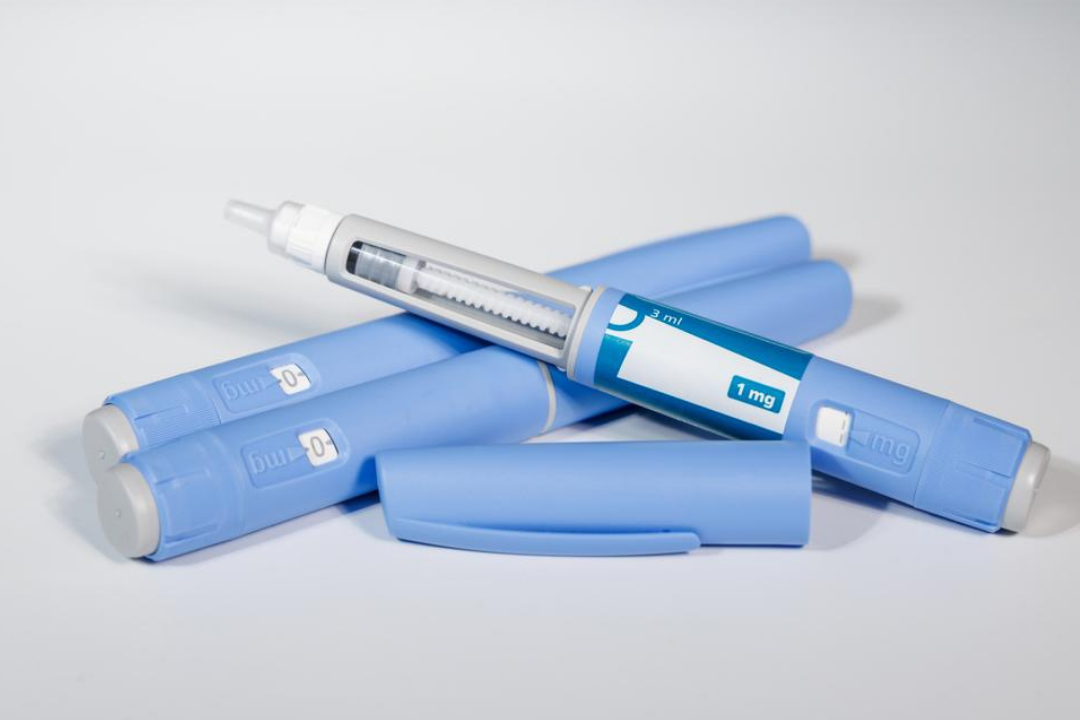
GLP-1 and GIP/GLP-1 therapies are everywhere in clinics these days. You might want a practical, usable guide—one that actually makes sense for day-to-day care.
These drugs treat type 2 diabetes and obesity by lowering blood sugar and cutting hunger. They’re showing up more in clinic decisions and long-term care plans.
This guide gives straightforward clinical facts on how these therapies work, when to consider them, what risks to watch for, and how to fit them into practice.
You’ll get concise comparisons, safety notes, and tips for counseling patients. There are also real-world points on dosing, monitoring, and hurdles like cost or insurance headaches—so you can make safer, quicker decisions for your patients.
Key Takeaways
- GLP-1 and combo therapies lower blood sugar and reduce appetite for diabetes and weight management.
- Choose and monitor therapies based on clinical goals, side effects, and patient factors.
- Practical clinic steps cover prescribing, follow-up, and common access challenges.
Understanding GLP-1 and GIP/GLP-1 Therapies
These drugs change how your body handles blood sugar and hunger. They boost insulin when you need it and slow stomach emptying, so you feel fuller and glucose drops.
Mechanisms of Action
GLP-1 receptor agonists bind to GLP-1 receptors on pancreatic beta cells. That ramps up insulin release—only when glucose is high—and helps flatten those post-meal spikes.
They also tamp down glucagon when glucose is elevated. In the brain, these drugs lower appetite, and in the stomach, they slow things down so you feel full longer.
Slower emptying means nutrients absorb more gradually, and the risk of low blood sugar is lower unless you’re combining with other diabetes meds. Some agents last longer, so you only need weekly dosing, while others are short-acting and hit gastric emptying harder.
Differences Between GLP-1 and GIP/GLP-1 Agonists
GLP-1 agonists target just the GLP-1 receptor. They lower glucose and help with weight loss by curbing appetite and slowing your stomach.
Dual GIP/GLP-1 agonists go after both GIP and GLP-1 receptors. GIP receptor effects might boost insulin even more and tweak fat metabolism.
In studies, dual agonists often lead to bigger weight loss and better glucose control than GLP-1 alone. Side effects overlap—nausea, vomiting, GI stuff—but some people tolerate one class better than the other. It’s a bit of trial and error.
Approved Indications
Approved uses depend on the drug and where you live. GLP-1 receptor agonists are cleared for type 2 diabetes, and several are approved for long-term weight management in people with obesity or certain weight-related conditions.
Dual GIP/GLP-1 agonists have approvals for type 2 diabetes and weight management in many countries. Always check your local label for age, BMI, or comorbidity requirements.
Prescribing usually means keeping an eye on pancreatitis risk, thyroid disease, and kidney function. Clinicians follow drug-specific guidelines for titration and contraindications.
Therapeutic Benefits
Main benefits: lower HbA1c, fewer post-meal spikes, and weight loss for a lot of patients. Losing weight can help blood pressure, cholesterol, and mobility.
Some patients need less insulin or other meds after starting therapy. Many folks say they’re less hungry and eat smaller meals, which helps keep the weight off.
But results vary—a few see huge changes, others just a bit. Long-acting and dual agonists tend to give bigger average benefits, but there’s no one-size-fits-all.
Clinical Applications in Practice
GLP-1 and dual GIP/GLP-1 therapies lower blood sugar, reduce weight, and improve cardiovascular risk for certain patients. You’ll need to pick patients carefully, start and titrate doses safely, and avoid use in some conditions.
Patient Selection Criteria
Look for patients with type 2 diabetes who aren’t controlled on pills or basal insulin. If weight loss matters, aim for those with a BMI of 27 or higher.
Prioritize patients with heart disease if you’ve got a GLP-1 with proven CV benefit. Don’t use these routinely in type 1 diabetes or people with active pancreatic disease.
Consider dual GIP/GLP-1 agents for those who need more weight loss or glucose lowering and can handle GI side effects. Check kidney function—most drugs are fine in mild to moderate CKD, but look up each label for severe CKD or dialysis.
Talk about injections and cost with patients. Ask about pregnancy plans—don’t start or continue these drugs during pregnancy. Always review meds for interactions, and check for history of pancreatitis, thyroid cancer, or MEN 2.
Initiation and Titration
Start low to limit nausea and vomiting. Weekly drugs start with a low dose for 2–4 weeks, then bump up as tolerated. Daily agents go up every week or two.
Teach patients how to inject, when to take it, and how to store it. Warn them about GI symptoms—usually they settle in a month or two. If symptoms drag on, pause escalation or drop the dose.
If you’re using other glucose-lowering meds, you might need to lower sulfonylurea or insulin doses to avoid lows. Follow up at 2–4 weeks after starting, and again with each dose change.
Contraindications
Don’t use GLP-1 or dual agonists in anyone with a personal or family history of medullary thyroid cancer or MEN 2. Avoid in active or severe, recurrent pancreatitis unless the benefits are huge and you’ve got specialist input.
Not for pregnancy or breastfeeding—just not enough safety data. Be careful with severe GI disease like gastroparesis; delayed emptying can make symptoms worse. Always check the guidelines for severe kidney disease before prescribing.
Rule out allergies to the drug or its ingredients. If there’s a history of bad pancreatitis or biliary disease, weigh the risks and document shared decision-making.
Monitoring Parameters
Before starting, get baseline A1c, weight, kidney function, and a pregnancy test if needed. Record liver tests and ask about pancreatitis or gallbladder symptoms.
Monitor A1c and weight every three months until things stabilize, then every six months. Check kidney function yearly, or sooner for older patients or those at risk.
Watch for ongoing nausea, vomiting, or severe belly pain—if those pop up, stop the drug and check it out. Adjust insulin or sulfonylurea doses as needed based on glucose monitoring.
Track injection site reactions and allergic symptoms. Use clinic visits or telehealth at 2–4 weeks post-start and after dose changes to check on tolerance, adherence, and progress.
Comparing GLP-1 Medications
Not all GLP-1 drugs are the same. You’ll see differences in what’s available, how much they lower A1C and weight, and how long they last in the body.
Available Agents
The main injectable GLP-1s are exenatide, liraglutide, dulaglutide, semaglutide, and tirzepatide (which is a dual GIP/GLP-1). There’s also oral semaglutide as a pill option.
Prescriptions differ by indication. For type 2 diabetes, most agents are approved for lowering A1C. For chronic weight management, drugs like liraglutide 3 mg and semaglutide 2.4 mg (and tirzepatide at obesity doses) are specifically approved. Insurance and cost can be a pain—always check coverage and assistance programs.
Efficacy Differences
Short-acting GLP-1s (like exenatide twice daily) mainly hit post-meal glucose. Long-acting agents—semaglutide, dulaglutide, tirzepatide—give bigger A1C drops and more fasting glucose control.
For weight loss, semaglutide and tirzepatide are top performers in trials. Liraglutide is decent, but not quite as much. Response varies—some patients lose a lot, others just a bit. Keep an eye on A1C, weight, and side effects to guide dose changes or switching.
Duration of Action
How long a drug lasts matters for dosing and side effects. Short-acting agents are daily or twice daily and mainly affect post-meal glucose. Long-acting injectables are weekly or daily (oral semaglutide is daily).
Weekly drugs include dulaglutide, weekly semaglutide, and some exenatide extended-release. Long-acting drugs give steadier glucose control and more lasting appetite suppression—usually easier for patients to stick with.
Downside? Side effects might linger longer or take more time to fade after stopping a weekly drug. Pick the duration based on what your patient needs—convenience, side effect tolerance, or a need for quick dose changes.
Safety and Adverse Effects
Let’s talk side effects, complications, and what the long-term safety data really show. Some things need urgent review, so keep an eye out.
Common Side Effects
Most people notice GI symptoms first—nausea, vomiting, diarrhea, constipation, early fullness. Usually these start within days or weeks and get better with dose tweaks.
Injection-site reactions and headaches are less common. Some agents bump up heart rate a bit or cause brief dizziness. Ask about mood changes—if someone feels off or down, check in about suicidal thoughts.
Less common but serious: pancreatitis signs (severe belly pain, vomiting) and gallbladder issues (right upper belly pain, fever). If those show up, stop the drug and get it checked out fast.
Managing Complications
Start by educating patients—tell them what to expect, how to stay hydrated, eat small meals, and why you go slow on dose increases. Adjust or pause therapy if nausea or vomiting causes dehydration or too much weight loss.
If GI symptoms won’t quit, consider switching drugs or using antiemetics for a bit. Suspect pancreatitis? Stop the drug, order labs, imaging, and admit if needed.
Always check mood and behavior at each visit. For new psych symptoms, loop in mental health and reassess if the drug makes sense. Rotate injection sites if there are skin reactions.
Order routine labs as needed—metabolic panel, liver tests, lipids. Track weight, heart rate, and blood pressure at follow-ups.
Long-Term Safety Data
Long-term data are still coming in. Trials and meta-analyses show weight and heart benefits for many, but there’s an uptick in GI events and maybe some neuropsychiatric issues.
Cancer risk? The data are mixed and not conclusive—no clear proof of increased risk for most cancers, but we’re still watching. Ongoing studies are tracking rare events like pancreatitis, gallbladder disease, and eye problems.
Bottom line: base long-term use on each patient’s risks and benefits. Reassess therapy regularly, document outcomes, and report serious or unexpected side effects when they happen.
Integrating Therapies Into Clinic Protocols
Set up clear steps so your clinic can start, monitor, and adjust GLP-1 or GIP/GLP-1 therapy. Decide who does what, which tests you need, and how you’ll keep tabs on patient progress.
Team-Based Approaches
Before starting therapy, lay out clear roles for each team member. Physicians handle prescribing and watch for drug interactions.
Nurse practitioners or physician assistants usually take care of dose titration and phone check-ins. Nurses or medical assistants teach injection technique and log weight and vital signs at each visit.
Try using a simple checklist for every new patient:
- Baseline labs: A1c, kidney and liver function, and a pregnancy test if needed.
- Baseline measures: weight, blood pressure, heart rate.
- Assign and complete education tasks.
Hold short weekly huddles when starting a new group of patients. Share notes in the chart about side effects, dose changes, or missed doses.
Use a registry or EHR flags to help spot nonresponders or safety issues quickly.
Patient Education Strategies
Explain the medication in plain language—it helps your body use insulin better, slows down stomach emptying, and curbs appetite. Hand out a one-page sheet with the dosing schedule, common side effects (like nausea, constipation, or injection-site reactions), and when to call the clinic.
Teach injection technique in person, then ask for a return demonstration to make sure they’ve got it. Give a titration plan with clear dates and schedule phone check-ins for week 1 and week 4.
If someone’s also using insulin or a sulfonylurea, talk about the risk of low blood sugar and give a glucose monitoring plan.
Some tools to support adherence:
- Printed calendars or EHR reminders.
- Short troubleshooting videos.
- Pharmacy fill tracking and refill alerts.
Make follow-up concrete. Book a 1-month dose review, a 3-month check for A1c and weight, and order safety labs as needed.
Cost, Access, and Insurance Considerations
GLP-1 and GIP/GLP-1 drugs can get expensive, and insurance coverage varies a lot. Expect different copays, frequent prior authorizations, and big differences between Medicare, Medicaid, and private plans.
Pricing and Reimbursement
Prices depend on brand and dose. Newer GLP-1s can cost hundreds or even thousands per month if you’re paying cash.
Your out-of-pocket cost depends on your insurance. Commercial plans might cover some uses, Medicare Part D treats these as prescription drugs with variable coverage, and Medicaid rules change by state.
Ways to bring down cost:
- Use formulary options: pick a preferred brand or biosimilar if there’s one available.
- Manufacturer savings: coupons can help for those with commercial insurance, but not Medicare.
- Patient assistance programs: available for some low-income patients.
Keep track of:
- Formulary tier, and retail vs. mail-order pricing.
- Deductible timing—early refills can get denied if the deductible just reset.
Navigating Prior Authorization
Insurers almost always require prior authorization (PA) for GLP-1 therapy, especially for weight loss. You’ll need to document diagnoses, prior treatment attempts, baseline labs, and BMI or weight history.
To speed up approval:
- Submit clear documentation: include diagnosis codes, dates and results of other treatments, and treatment goals.
- Use standardized PA forms: attach guidelines or peer-reviewed evidence if you can.
- Appeal quickly: if denied, file an appeal with any missing info; consider an external review if it’s an option.
Keep records of dates, contact names, and reference numbers. This makes it easier if a pharmacist calls about an authorization or you need to escalate a denial.
Future Directions in GLP-1 and GIP/GLP-1 Therapy
There’s a lot happening with new agents and combo medicines targeting multiple gut hormones. We’ll likely get better guidance soon on long-term safety, heart risks, and practical dosing for weight and diabetes care.
Ongoing Clinical Trials
Lots of late-stage trials are underway, testing next-gen agents in big groups. They’re measuring weight loss, HbA1c, heart outcomes, and side effects over 1–5 years.
Pay attention to which outcomes matter most—sustained weight loss, major adverse cardiac events (MACE), and kidney outcomes.
Some trials focus on certain groups, like people with obesity but no diabetes, or those with heart or kidney disease. Always check the enrollment criteria and baseline risk, since that changes how results apply to your patients.
Look for head-to-head studies comparing tirzepatide-like dual agonists with older GLP-1 drugs. They’ll help clarify which is better for weight, glucose, and side effects.
Safety signals like GI intolerance and rare events will affect how we use and monitor these drugs.
Emerging Combination Agents
Drug makers are now mixing GLP-1 with GIP, glucagon, or other pathways to boost weight loss and metabolic control. Dual GLP-1/GIP co-agonists aim to increase insulin release and cut appetite more than single agents. Triple agonists add glucagon receptor activity to raise energy use.
In practice, keep an eye on mechanism and dosing differences. Some are weekly shots, others last longer or are even oral. Early data show bigger average weight loss with dual/triple agents, but side effects differ too.
Watch approval status and formulary changes. New combos might offer stronger effects, but cost and access will play a huge role in what gets prescribed.
It’s worth having honest talks with patients about what to expect, possible side effects, and how you’ll monitor things together.
Frequently Asked Questions
Here’s a quick run-through of how GLP-1 and dual GIP/GLP-1 drugs work, their diabetes and weight benefits, typical side effects, using them with other diabetes meds, and who’s a good candidate.
What are the primary benefits of GLP-1 medications for diabetes management?
GLP-1 drugs lower blood sugar by boosting insulin when glucose is high. They also slow down how fast your stomach empties, which helps reduce post-meal spikes.
Most patients see better A1c levels and less risk of hypoglycemia than with some older drugs. Some GLP-1s have shown heart and kidney benefits in people with type 2 diabetes.
How do GLP-1 and GIP/GLP-1 therapies differ in their mechanism of action?
GLP-1 agonists copy the GLP-1 hormone, raising insulin when needed and cutting appetite. They mostly act on GLP-1 receptors in the pancreas and brain.
Dual GIP/GLP-1 drugs activate both GIP and GLP-1 receptors. Adding GIP may help with even more insulin release and bigger weight drops than GLP-1 alone.
What are the potential side effects associated with GLP-1 medication use?
The most common side effects are nausea, vomiting, diarrhea, and constipation. Usually, these get better after a few weeks.
Rare but serious risks are pancreatitis and gallbladder disease. If you get severe belly pain, ongoing vomiting, or signs of an allergic reaction, call right away.
Can GLP-1 medications be used in combination with other diabetes treatments?
Yes, you can usually combine GLP-1 drugs with metformin, SGLT2 inhibitors, and insulin. Combining meds can improve glucose control and sometimes let you lower other doses.
When starting a GLP-1 agent, insulin or sulfonylurea doses might need to be adjusted to avoid low blood sugar. Your clinician will help with dose changes and keep an eye on your glucose.
What criteria determine patient eligibility for GLP-1 therapy?
You’re a typical candidate if you have type 2 diabetes not well controlled on pills, or obesity and need weight loss. Guidelines often prefer GLP-1 drugs for people with type 2 diabetes plus heart disease or high heart risk.
Don’t use these if you have a personal or family history of medullary thyroid carcinoma or multiple endocrine neoplasia type 2. Also, avoid them with active pancreatitis or severe GI disease unless a specialist says otherwise.
How does GLP-1 therapy impact weight management in diabetic patients?
GLP-1 drugs tend to reduce appetite and slow down how quickly the stomach empties. This usually leads to people eating fewer calories without really trying.
Plenty of patients see the number on the scale drop by several kilograms after a few months. Some days the results are more dramatic, other times it’s a steady, gradual change.
Dual GIP/GLP-1 agents have shown even bigger drops in weight during trials compared to GLP-1 alone. But honestly, weight loss depends a lot on which drug you’re taking, the dose, and just your own habits—like what you eat and how much you move.